Travelling by train in Japan: how it works
From Shinkansen to local trains: travel smart in Japan
Japan is the land of trains. From the lightning-fast Shinkansen to local trains connecting tiny villages, the train is often the quickest, easiest and most fun way to explore the country. For many travellers, the journey from Tokyo to Kyoto and Osaka is a must, but there are plenty of lesser-known routes that are just as epic. In this blog, we’ll tell you everything you need to know about train travel in Japan.
Why train travel in Japan is so special
Trains in Japan are more than just transport - they’re an experience. They always run on time, are clean, comfortable and super efficient. Even the busiest stations, like Tokyo Station, are perfectly organised with signs, routes and clear gates. Even when it’s crowded, it never feels chaotic.
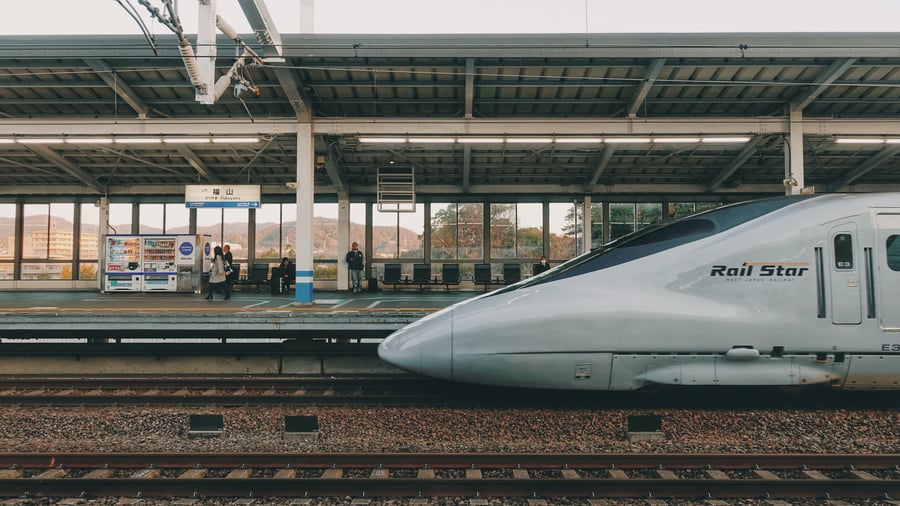
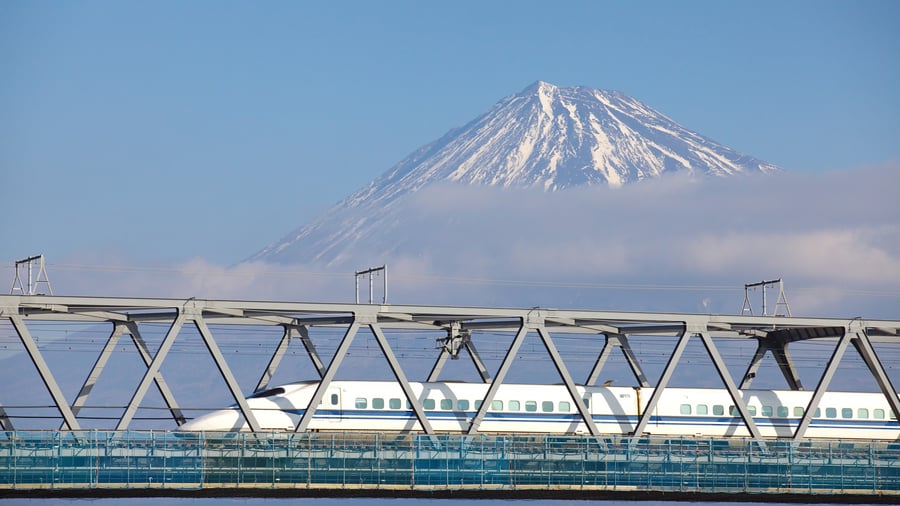
One of the biggest highlights is the Shinkansen, also known as the ‘bullet train’. These super-fast trains can reach over 300 kilometres per hour and connect Japan’s major cities. For example, you can travel from Tokyo to Kyoto or Osaka in just a few hours - what would take a whole day by car. But Japan also has countless local and regional trains, letting you reach small villages, mountain areas and lesser-known places.
Shinkansen in Japan
Planning your train trip
The great thing about Japan is that you can plan almost everything in advance, but it’s also super flexible if you decide to visit a city or village on the go.
You can check routes and times via Google Maps. Google Maps tells you exactly which train to take, which platform, and how long the ride will be.
At bigger stations, you'll find clear signs in English, and you can easily buy your ticket at the machines. IC cards like Suica or Pasmo are handy for city transport: just load some credit and tap it at the gate to check in and out. This saves you hassle with separate tickets, especially if you’re making lots of short journeys. Note that IC cards are limited outside the major cities.
Travelling with a Japan Rail Pass or Hokuriku Arch Pass
Travelling by train in Japan is already super convenient, but it gets even easier with a train pass. The two best-known passes for travellers are the Japan Rail Pass and the Hokuriku Arch Pass. Both offer ease, flexibility and savings, especially if you plan to visit several cities or cover longer distances.
Japan Rail Pass
The Japan Rail Pass is the classic choice for tourists and perfect if you want to visit multiple cities like Tokyo, Kyoto, Osaka or Hiroshima.
What is it? An unlimited pass for nearly all JR trains in Japan, including most Shinkansen. Note: the fastest Nozomi Shinkansen is excluded.
Duration and options: 7 days, 14 days and 21 days
Benefits:
- Unlimited travel within the validity period.
- Free seat reservations on most trains.
- Handy for both Shinkansen and regional trains, so you don’t need to buy separate tickets each time.
Using it at the station: Show your pass at the special JR gates and walk straight through. For Shinkansen or other express lines, you can reserve a seat at the counter at no extra cost.
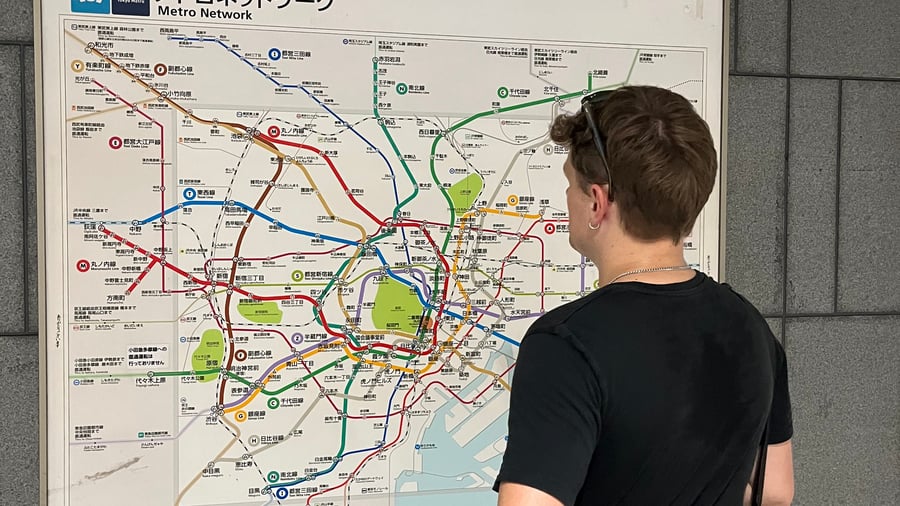

Train network around Tokyo
Hokuriku Arch Pass
The Hokuriku Arch Pass is a bit less famous, but a super interesting option, especially if you want to travel off the beaten track.
What is it? A 7-day pass giving you access to the Hokuriku Shinkansen and other JR lines in that area. The pass takes you from Tokyo via Nagano and Kanazawa to Kyoto or Osaka, offering an alternative route to the classic Tokyo-Kyoto/Osaka Shinkansen.
Benefits:
- Fewer crowds at the station and on the train, since it’s an alternative route.
- Stunning views of the Japanese Alps and charming cities like Kanazawa.
- Still a super-fast train experience with the Kagayaki Shinkansen (up to 260 km/h).
Perfect for: Travellers who want to discover beautiful, less touristy spots alongside the famous cities without long travel times.
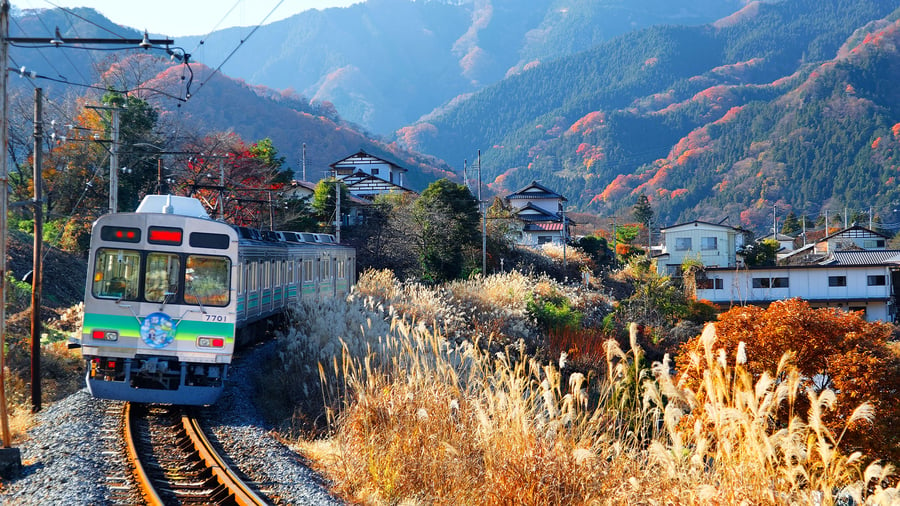
Travel by train to the Japanese Alps
Related trips
Need more inspiration? Look at some of our trips in Japan


When should I arrange the Japan Rail Pass?
At KILROY, we always recommend arranging both the Japan Rail Pass and the Hokuriku Arch Pass before you travel. You’ll receive a voucher that you can exchange for the real pass when you arrive in Japan. That way, you don’t have to queue at busy stations and you’re set for hassle-free train travel from the start.
With your pass ready, you can take your first ride straight away, reserve seats for the Shinkansen if you want, and head out to explore Japan. At KILROY, we’re happy to help you arrange the right pass, so you can start your train adventure in Japan relaxed.
The regular train, Shinkansen or Limited Express train?
Regular trains run on all railway lines in Japan. These are local trains that stop at almost every station and are perfect for short distances or if you want to visit small villages and local towns.
Alongside the regular trains, some routes also have Limited Express trains, called Tokkyu in Japanese. These trains cover longer distances faster and stop at fewer stations than regular trains. They often connect major cities with airports or tourist destinations where the Shinkansen doesn’t run, like historic villages or national parks. Japan Rail Pass holders can use all JR Limited Express trains at no extra cost. Plus, you can reserve seats for free, so you’re always guaranteed a spot, even on busy routes.
And then there’s the famous Shinkansen, or bullet train. These trains race at speeds up to 300 km/h on special high-speed lines and connect Japan’s biggest cities, like Tokyo, Kyoto, Osaka and Hiroshima. The Shinkansen is ideal if you want to cross large distances quickly, while the Limited Express and regular trains give you more flexibility to discover Japan’s lesser-known spots.
There are many different trains in Japan
Shinkansen routes
The Shinkansen, also known as the bullet train, is the iconic symbol of Japanese rail travel. Reaching speeds of up to 300 km/h, this train gets you from city to city in no time. Several lines connect Japan’s key cities, making travel efficient and comfortable.
- Tokaido Shinkansen: This is the busiest and most famous line. It runs from Tokyo via Nagoya and Kyoto to Osaka, perfect for anyone following the classic east-to-west route.
- Sanyo Shinkansen: Links Osaka with Hiroshima and Fukuoka, continuing further southwest in Japan.
- Tohoku Shinkansen: This line goes from Tokyo to Aomori in the north of Honshu. Ideal if you want to explore northern Japan, including the Japanese Alps or Hokkaido.
- Hokuriku Shinkansen: Runs from Tokyo via Nagano to Kanazawa. It’s a great alternative route towards western Japan and offers stunning mountain and nature views.
- Kyushu Shinkansen: Connects Fukuoka with Kagoshima in southern Japan.
The Shinkansen doesn’t stop at every station, so it’s much faster than regular trains. For travellers, this means you can get from Tokyo to Kyoto or Osaka in just a few hours, where it used to take a whole day. Thanks to its punctuality and comfort, the Shinkansen is one of the most efficient ways to experience Japan.
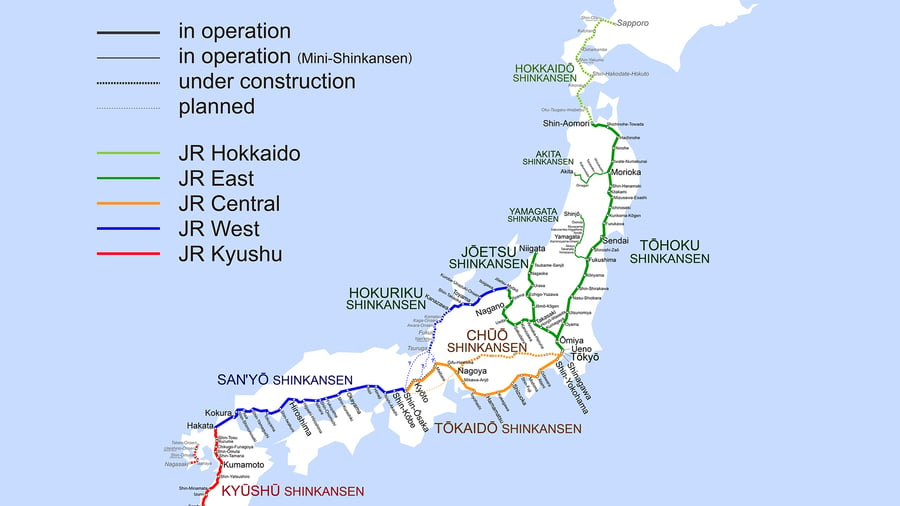
Shinkansen routes
How does it work at the station?
Japanese stations are huge, so they can feel a bit overwhelming at first. But there’s a clear logic to everything.
- Ticket gates: With a single ticket, you insert it into the gate and collect it on the other side. With an IC card, just tap it on the sensor. If you have a Japan Rail Pass, show it at a special JR gate. These gates are usually marked “JR Pass” and a staff member checks your pass. You don’t need to scan the pass like a ticket or IC card-just show it and walk through.
- Platforms: Each train has markings showing where to wait. For the Shinkansen, there are even lines indicating exactly where the doors will stop.
- Transfers: Usually, it’s just a matter of following the signs. And because trains are so punctual, you rarely need to worry about missing your connection.
- Seat reservations: For the Shinkansen and some express lines, you can reserve a seat for free with a Japan Rail Pass at a ticket office. This is recommended during busy periods, like Golden Week, or if you’re travelling long distances.
Etiquette and luggage on the train
Trains in Japan are comfortable and quiet. Even during busy times, there’s an organised calm: people don’t make phone calls, speak softly, and use their phones discreetly.
- Waiting for the train: Passengers line up neatly at the designated spots on the platform. Once the train arrives and everyone who wants to get off has exited, everyone boards in order-no pushing or shoving. This makes boarding super smooth, even at rush hour.
- Seats: On most long-distance trains, you can reserve a seat, but some trains also have unreserved seats.
- Women-only carriages: Many commuter trains have special women-only carriages. In crowded conditions, a man’s hand might accidentally touch a woman. To give women the choice, these carriages were introduced. The platform clearly shows where these carriages stop and when men aren’t allowed in them.
- Luggage: Large suitcases can be placed at the back of the train or in special compartments. There’s plenty of space above your head for smaller bags.
- Facilities: Trains often have clean toilets, power sockets, and sometimes even wifi. The journey itself is a chance to relax, take photos, or simply enjoy the scenery.
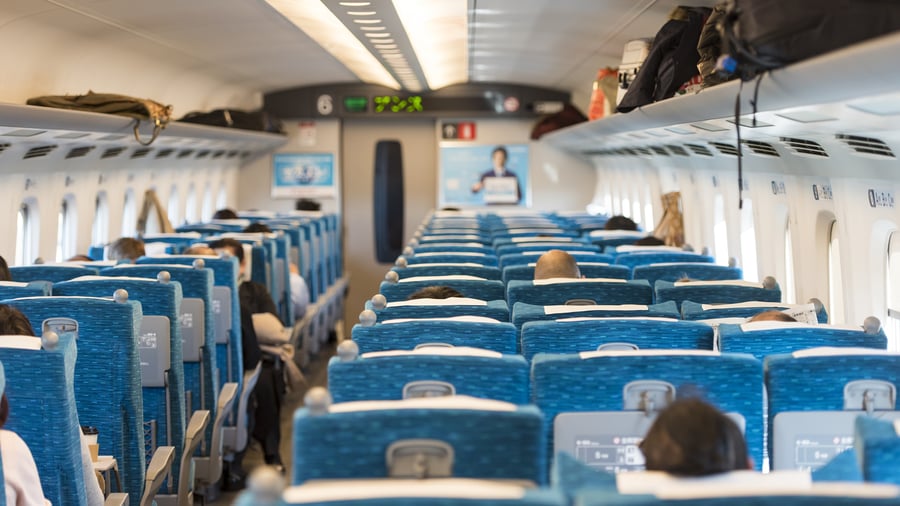
Japanese trains are quiet and tidy
Unique scenic train journeys in Japan
Japan isn’t just famous for its speedy Shinkansen, but also for train rides with breathtaking views. Some routes show you parts of the country you’d miss if you only visited cities. Here are a few standout options:
- Sagano Scenic Railway (Kyoto): Also called the “Romantic Train.” This route travels through the beautiful Arashiyama area, passing bamboo forests, rivers, and mountains. The views are especially stunning in autumn when the leaves change colour.
- Hakone Tozan Railway (near Tokyo): A winding mountain train that runs through the Hakone mountains. The route passes rivers, tunnels, and steep slopes, giving you a unique perspective on the nature around the famous Mount Fuji.
- Hokkaido’s Furano and Biei lines: In Hokkaido, there are several train routes through wide fields and mountain landscapes. In summer, you’ll see colourful flower fields; in winter, a serene, snow-covered world.
- Kurobe Gorge Railway (Toyama): A narrow-gauge route through an impressive gorge. You travel alongside steep cliffs and over wooden bridges, with views of rivers and waterfalls.
- Oigawa Railway (Shizuoka): This route offers a nostalgic experience with steam trains and crosses the green valleys and tea plantations of Shizuoka.
What all these routes have in common is that they run slower than the Shinkansen, so you can really soak up the scenery. If you want to experience not just the cities but also nature and traditional Japan, these are absolute highlights you shouldn’t miss.
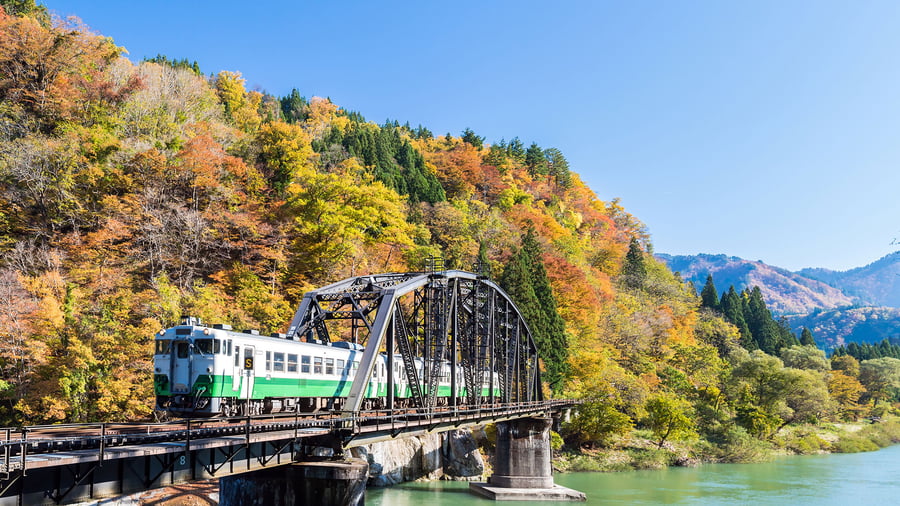
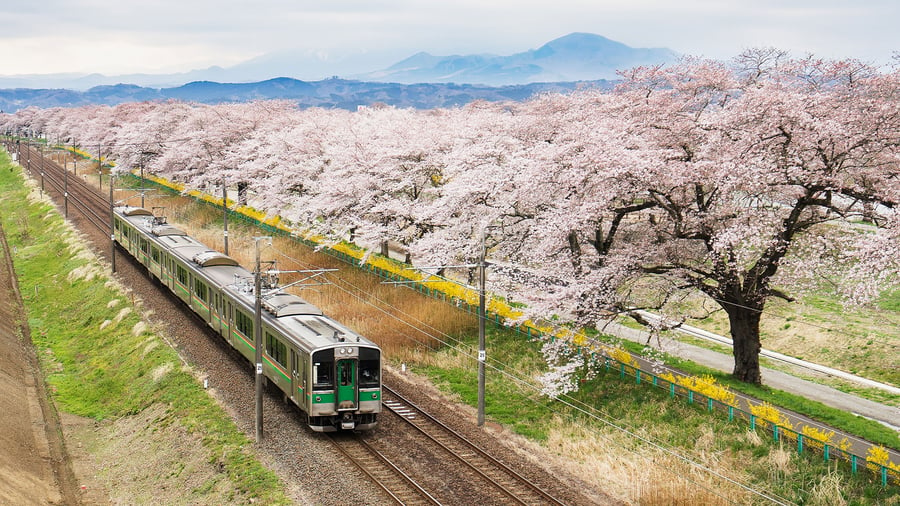
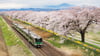
JR Tadami Line in Fukushima
At KILROY, we help you make the most of your trip, tailored to your wishes. Whether you want to travel solo or with a group, we’re here to help you plan and book your journey through Japan-from single train passes to complete package trips.
Feeling inspired and ready to plan your own trip?
Our travel specialists are happy to help you develop your ideas further.
Latest in the KILROY travel blog
We love tot travel, and we expect that you do too! Find our travel stories, guides and top picks to feed your wanderlust with inspiration for your next trip.







Showing 6 / 35 results