TREKKING IN VIETNAM
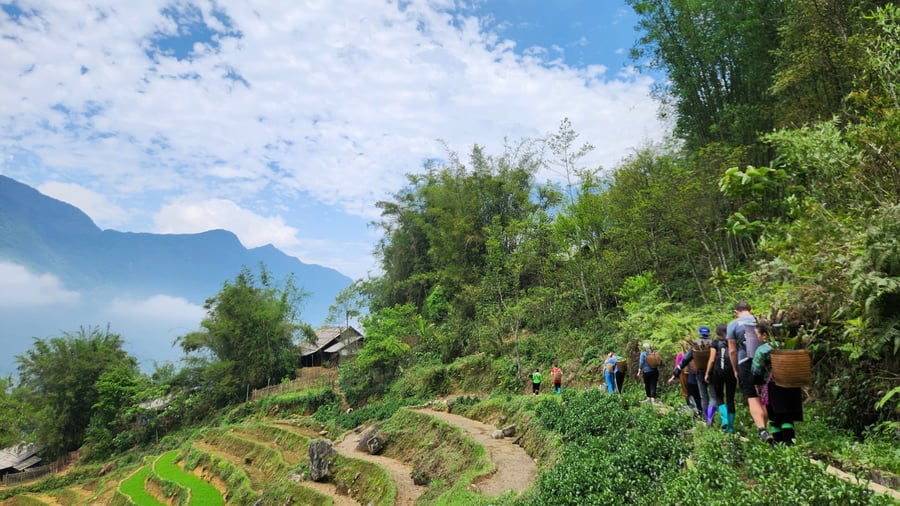
Trek through Vietnam's northern highlands
Discover the beauty of northern Vietnam on foot as you hike through emerald-green valleys, remote hill tribe villages, and breathtaking mountain scenery.
Featured trekking trips
Handpicked experiences worth checking out
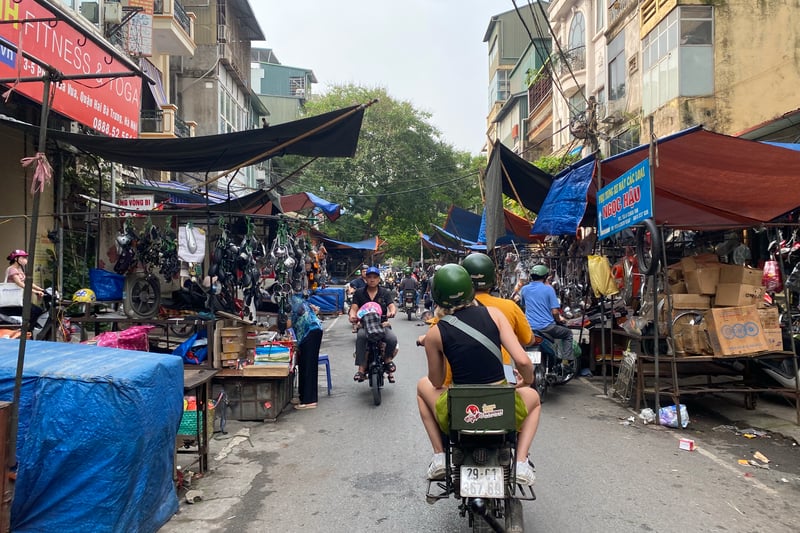
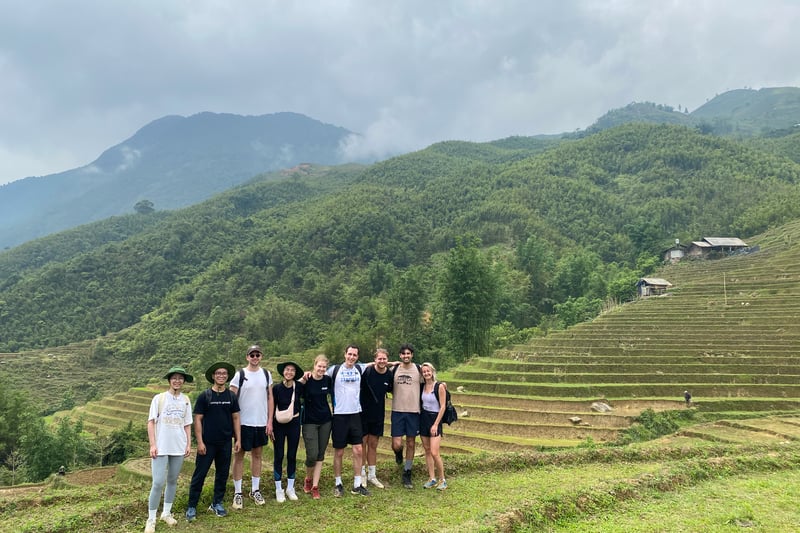
Discover Vietnam by foot
A trekking trip in Vietnam is one of the best ways to experience the country's stunning landscapes, rich culture, and authentic local life. Hike through the famous rice terraces of Sapa, explore remote mountain villages, and immerse yourself in some of Southeast Asia's most breathtaking scenery.
Trekking offers a unique opportunity to get off the beaten path and discover a side of Vietnam that most travelers never see. Along the way, you'll meet local communities, learn about traditional ways of life, and enjoy unforgettable views of valleys, mountains, and emerald-green rice fields.
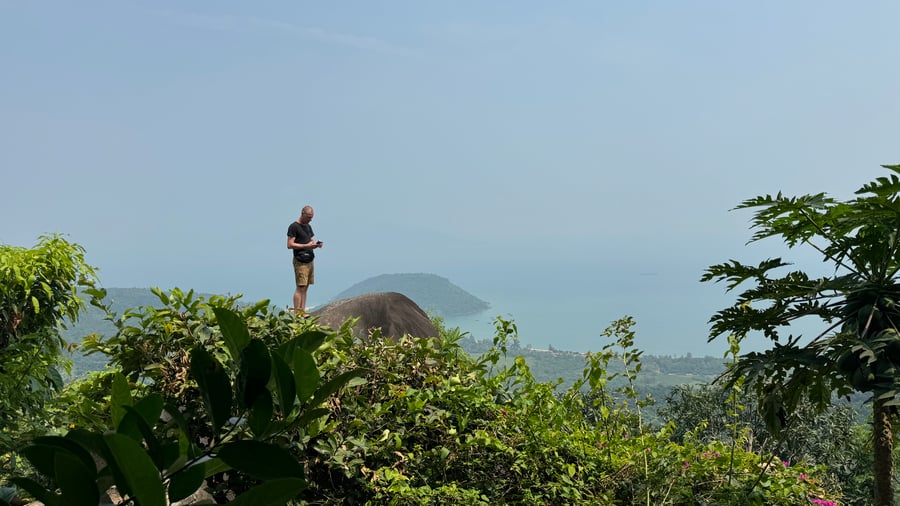
Trekking in Vietnam
Need help planning your trekking trip?
Our travel experts can help you refine your ideas, pick the right destinations and plan your trip from start to finish.


(Test)
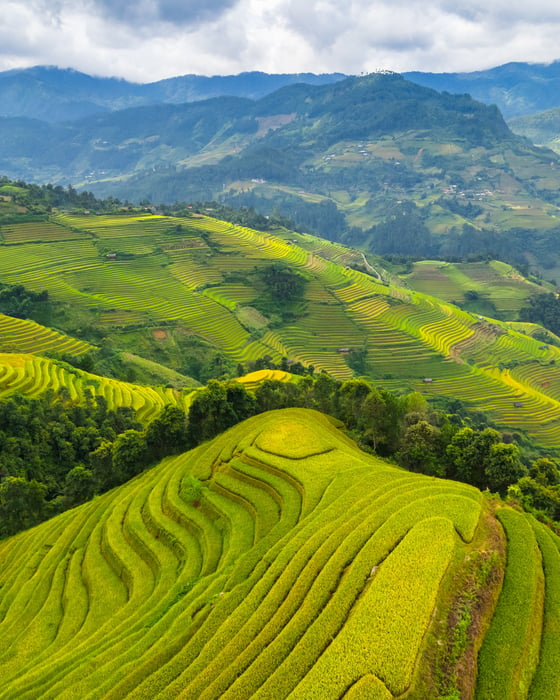
Best places for trekking in Vietnam
Sapa: Sapa is Vietnam's most famous trekking destination and home to some of the country's most stunning scenery. Hike through terraced rice fields, cross mountain valleys, and visit traditional villages belonging to ethnic minority communities such as the Hmong, Dao, and Tay people.
With routes suitable for both beginners and experienced trekkers, Sapa is the perfect place to experience Vietnam's iconic mountain landscapes.
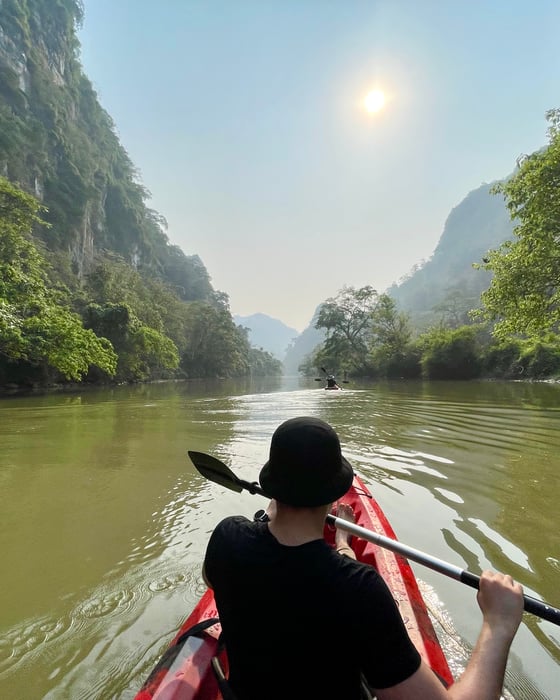
Ba Be National Park: Known for its lush forests, limestone mountains, and beautiful freshwater lake, Ba Be National Park offers peaceful trekking routes away from the crowds. Explore caves, waterfalls, and remote villages while enjoying the park's rich biodiversity.
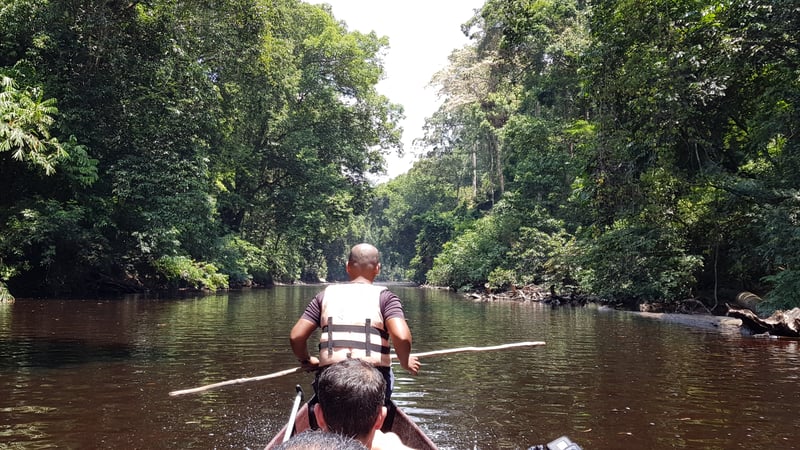
Cat Tien National Park: Located in southern Vietnam, Cat Tien National Park is a great destination for travelers interested in wildlife and nature. Trek through dense tropical forests and keep an eye out for rare birds, primates, and other native species.
Ha Giang: For those seeking a more adventurous experience, Ha Giang offers rugged mountain landscapes, winding trails, and spectacular viewpoints. This remote region is known for its dramatic scenery and authentic cultural encounters.
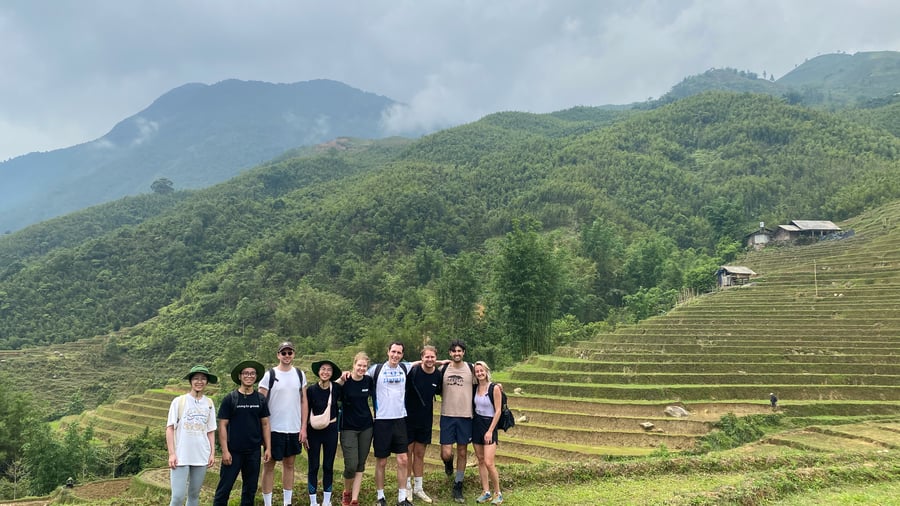
Group trek in Northern Vietnam
Frequently asked questions
Planning to go trekking in Vietnam? Find answers to the most common questions.
Vietnam is one of Asia's most rewarding trekking destinations, combining dramatic natural landscapes with rich cultural experiences. Trek through rolling rice terraces, dense forests, towering mountains, and remote villages while connecting with local communities and discovering the country's incredible diversity.
Popular trekking regions include the mountains of Sapa, the rugged landscapes of Ha Giang, and the national parks of northern and southern Vietnam. Every trail offers something different, from panoramic viewpoints and hidden waterfalls to cultural encounters and authentic homestay experiences.
The best time for trekking in Vietnam is generally from September to November and March to April, when temperatures are milder and conditions are ideal for hiking.
Autumn brings cooler weather and vibrant golden rice terraces in northern Vietnam, while spring offers pleasant temperatures, clear skies, and lush green landscapes. Trekking is possible throughout much of the year, but weather conditions vary depending on the region and altitude.
You don't need to be an experienced trekker to enjoy trekking in Vietnam, but a moderate level of fitness is recommended. Most trekking routes involve several hours of walking each day over uneven terrain, with some steep climbs and descents, particularly in mountainous regions like Sapa and Ha Giang.
Many trekking trips are suitable for beginners, while longer or more challenging routes require a good level of endurance. If you can comfortably handle regular walks, hikes, or other forms of exercise, you'll be well prepared for most treks in Vietnam.
For a trekking trip in Vietnam, it's important to pack light but be prepared for changing weather and varied terrain. Essential items include comfortable, broken-in hiking boots, lightweight clothing, a waterproof jacket, and a small daypack for carrying water, snacks, and personal belongings.
If you're trekking in northern regions such as Sapa or Ha Giang, it's also a good idea to bring warm layers, as temperatures can be cool in the mountains, especially during the evenings and winter months. Other useful items include sunscreen, insect repellent, a hat, sunglasses, and a reusable water bottle.
You should go trekking in Vietnam if you...
...love mountain scenery
Trek through misty valleys, rolling hills, and some of Vietnam's most spectacular landscapes like the rice terraces of Sapa and the peaks of Ha Giang.
...want authentic cultural experiences
Meet local communities, visit remote villages, and gain insight into traditional ways of life. Trekking in Vietnam offers meaningful cultural encounters.
...enjoy off-the-beaten-path adventures
Leave the crowds behind and explore hidden trails, remote regions, and lesser-known areas of Vietnam. It's a great way to discover the country at your own pace.

Latest in the KILROY travel blog
We love to travel, and we expect that you do too! Find our travel stories, guides and top picks to feed your wanderlust with an inspiration for your next trip.





Showing 6 / 36 results