TRAVEL TO BOLIVIA
Welcome to South America's extremes
From salt flats to mountain peaks, Bolivia is a top destination! With cheap food, friendly locals, and stunning nature, it's a dream spot.



Featured trips to Bolivia
Handpicked experiences worth checking out
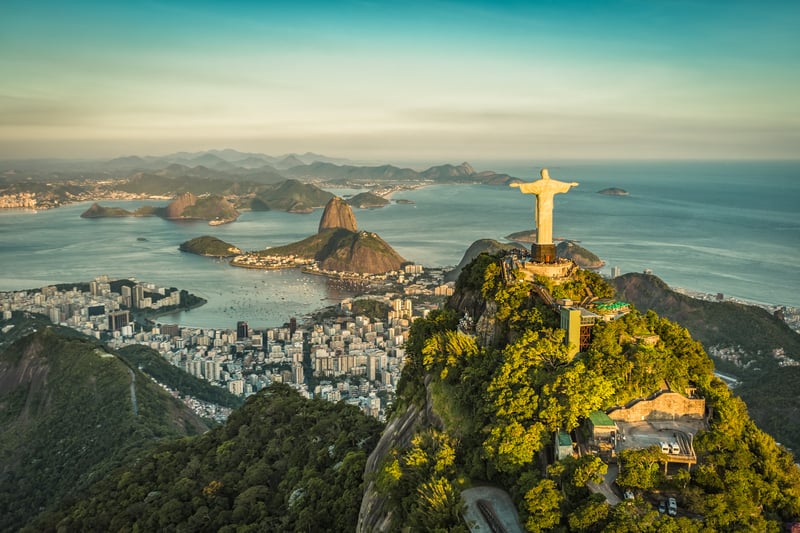

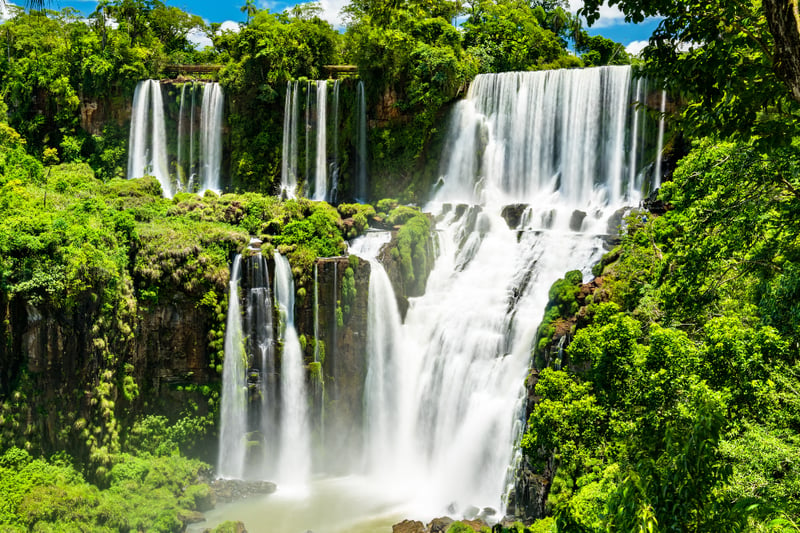

Bolivia is nature beyond belief
A trip to Bolivia is full of contrasts and as a traveler you get to meet all different climate zones - everything from the tropical jungle to the cold Andes. And don't miss the salt desert, which offers fantastic views. All the unique sights and fantastic hiking opportunities make Bolivia a great place to backpack!
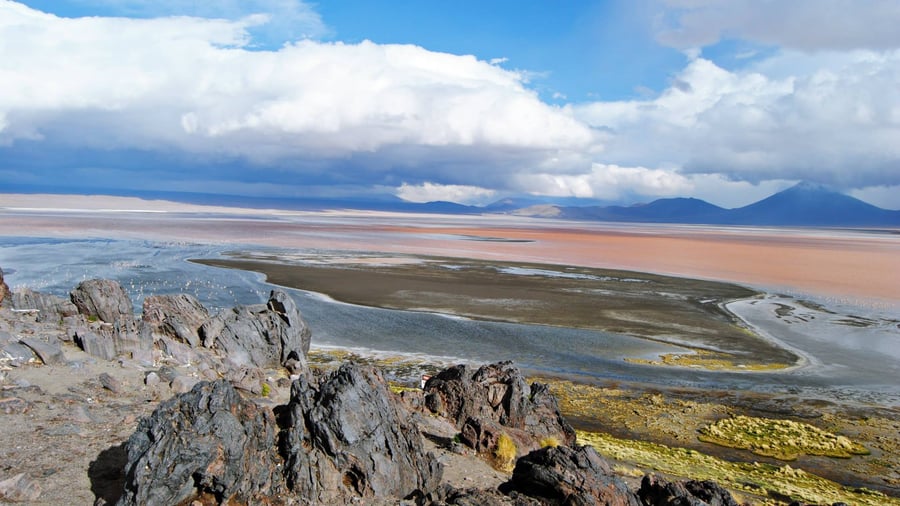
Bolivia dessert area
Need help planning your trip to Bolivia?
Our travel experts can help you refine your ideas, pick the right destinations and plan your trip from start to finish.
Salar de Uyuni - Bolivia's surreal salt flat
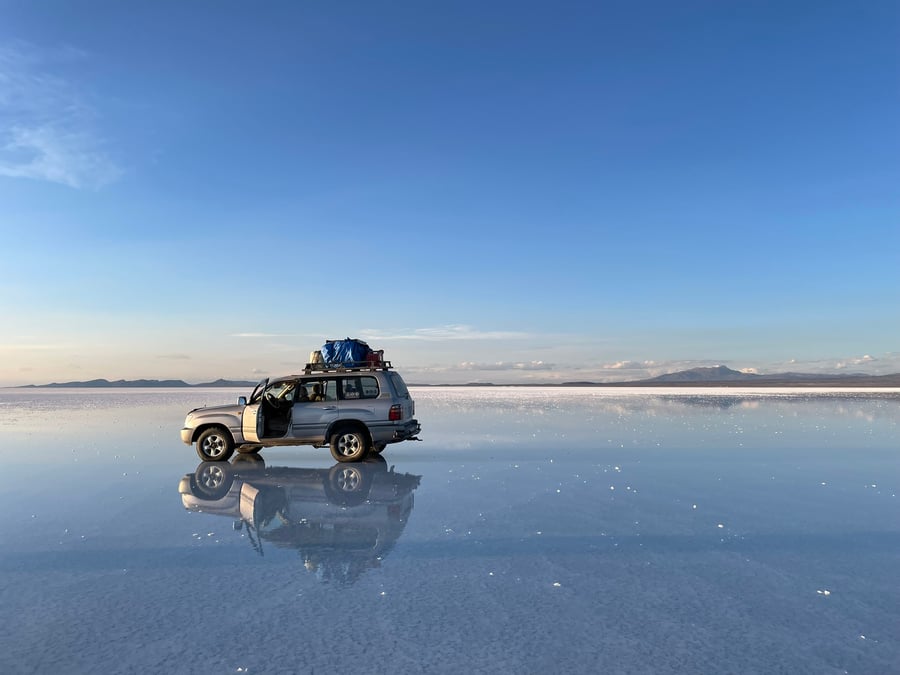
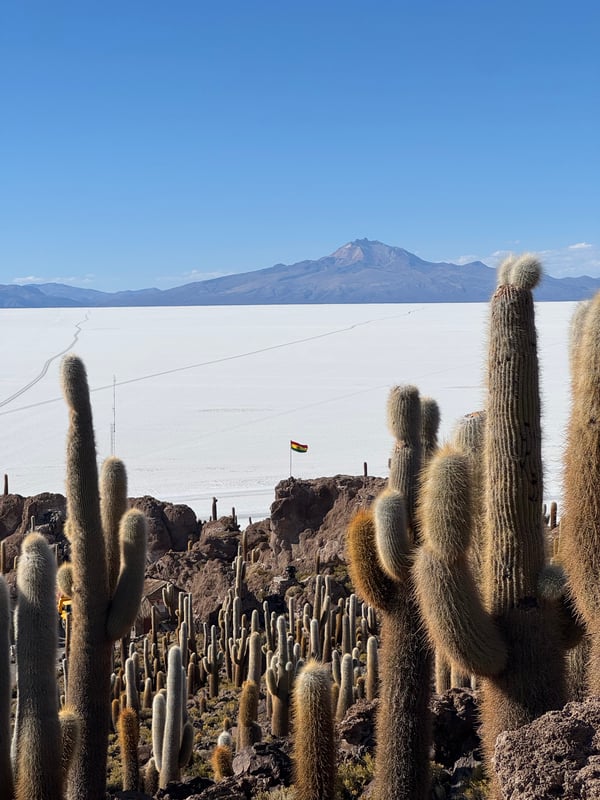
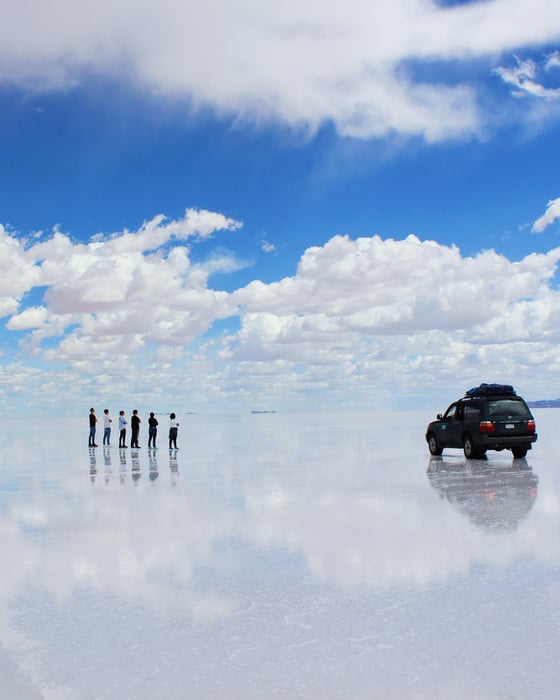
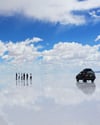
No trip to Bolivia is complete without a stop at the country's no. 1 attraction; Salar de Uyuni. Salar de Uyuni is one of the most extraordinary landscapes on Earth. Located high on Bolivia's Altiplano at nearly 3,700 metres above sea level, the world's largest salt flat stretches endlessly towards the horizon. If you come here during rain season, a thin layer of water transforms the salt flats into the world's largest natural mirror, creating one of the most breathtaking sights in South America. But it's more than just a sea of white salt, you'll also discover colorful lagoons, towering volcanoes, steaming geysers, giant cacti, and landscapes that feel like they're straight out of another world.
The surrounding Altiplano is home to some of Bolivia's most spectacular lakes. The emerald-green Laguna Verde sits beneath the Licancabur Volcano, while the striking red waters of Laguna Colorada attract thousands of flamingos. The vibrant colors come from minerals and algae, creating landscapes unlike anywhere else on Earth.
Additionally, you'll find the geothermal area of Sol de Mañana, where steaming geysers, bubbling mud pools, and volcanic vents create an almost otherworldly atmosphere. Nearby natural hot springs offer the perfect place to warm up after chilly mornings on the Altiplano. The surrounding desert is also dotted with bizarre rock formations sculpted by wind over thousands of years. In Valle de las Rocas, giant stone formations create a landscape that feels like the Wild West, only it sits at nearly 4,000 metres above sea level.
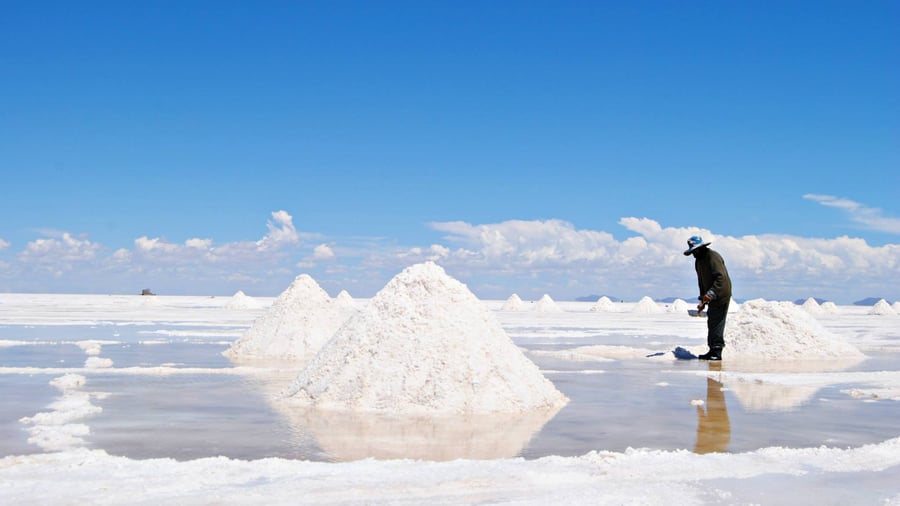

Salar de Uyuni during rain season
Why choose KILROY for your next trip
30+ years of expertise
For more than three decades, we’ve helped travellers discover the world. Our specialist knowledge and trusted global partners help you explore with confidence.
Personal travel advice
One dedicated travel expert who understands your plans, preferences, and goals. From first idea to journey home, they’ll guide you every step of the way.
24/7 support, wherever you are
If the unexpected happens, emergency support is always within reach. Wherever you are and whenever you need us, a KILROY expert is ready to help you.
The KILROY effect
The best trips don’t end when you get home. We create journeys filled with experiences, stories, and memories that stay with you long after the adventure ends.
Best time to travel to Bolivia
Bolivia has a varied climate that depends on the altitude and the region. Here are some tips for the best travel time:
Dry Period (May – October): The best time to visit Bolivia, especially the highlands and the Uyuni Salt Flat, as the weather is dry and clear. Perfect for trekking and for enjoying the spectacular views.
Rainy season (November – April): The Amazon and lowlands experience more rain, but the Uyuni salt flat can be transformed into a mirror-like landscape – a magical sight! However, some of the roads will be hard to drive on.
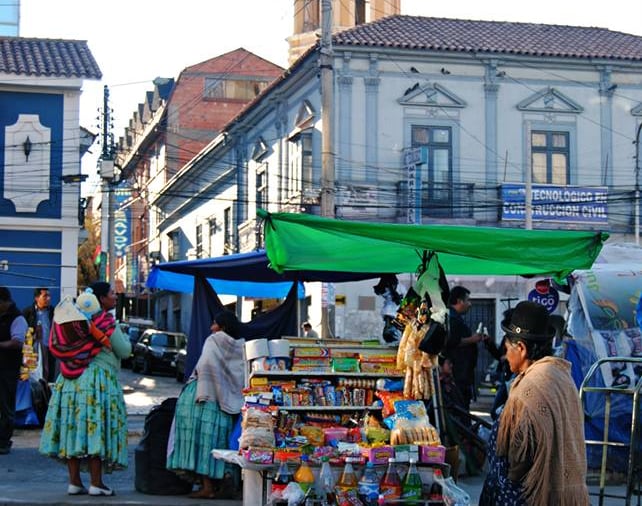

La Paz, Bolivia
Frequently asked questions
Below we have gathered the questions we get asked the most about traveling to Bolivia
Bolivian cuisine is a delicious blend of Indigenous and Spanish influences, with corn, potatoes and meat featuring prominently in many dishes. Some local favorites include salteñas; savoury baked pastries filled with meat and vegetables, anticuchos; grilled meat skewers, and sopa de maní; a rich and creamy peanut soup.
For something to drink, try api; a warm, sweet corn drink that's especially popular on chilly mornings, or chicha; a traditional fermented corn beverage that has been enjoyed in Bolivia for generations.
Buses: The most popular and budget-friendly mode of transportation in Bolivia. Long-distance buses connect the main cities, but the roads can be challenging during the rainy season.
Domestic flights: The fastest way to travel between cities like La Paz, Sucre and Rurrenabaque. Convenient if you want to avoid long bus rides in the mountains.
Train: Limited network, but beautiful routes such as "Expreso del Sur" provide a unique travel experience through the countryside.
Taxi and colectivo: Shared minibuses (colectivos) are a cheap way to get around the cities, while taxis often do not have a taximeter – the price is agreed in advance.
Absolutely! Bolivia is widely considered one of the most affordable destinations in South America, making it a favourite among backpackers and budget travellers. Accommodation, local transport, street food, and restaurant meals are all excellent value for money, allowing you to stretch your travel budget much further than in many neighboring countries.
While bucket list experiences like multi-day tours of the Uyuni Salt Flats or Amazon jungle expeditions come at a higher price, they're still relatively affordable compared to similar adventures elsewhere. Whether you're travelling on a shoestring or looking for a little extra comfort, Bolivia offers incredible experiences without the hefty price tag
Death Road is a 64 km long cycle and vehicle road built in the 1930's to connect the Amazon Rainforest with Bolivia's capital city La Paz. Several sections of the road are less than 3 meters wide and it the road has no guardrail despite having a 600 meter drop. Thus due to the common occurrence of rain, fog, landslides, cascades, the steep slopes and cliffs, it is largely considered the most dangerous road in the world. Up until the mid 90s, the road claimed between 200-300 deaths every year.
However, now a day there is a new alternative route with two lanes, guardrails and asphalt that makes the crossing much easier. Today Death Road is largely used a tourist attraction for people going mountain biking and chasing a good adrenalin kick.


Latest in the KILROY travel blog
We love to travel, and we expect that you do too! Find our travel stories, guides and top picks to feed your wanderlust with inspiration for your next trip.








Showing 6 / 36 results