TRAVEL TO MADAGASCAR
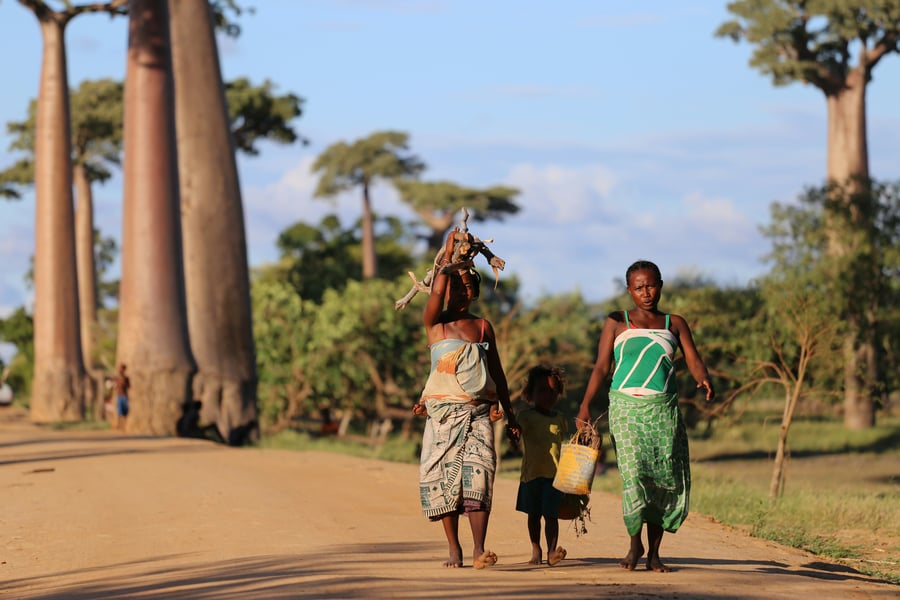
For those looking for an off the grid experience
Madagascar offers a rare escape from mass tourism and so many highlights for nature lovers.

Featured trips to Madagascar
Handpicked experiences worth checking out


A hidden gem in the Indian Ocean
As the world's fourth-largest island, Madagascar stands out with its unique biodiversity and a wealth of species found nowhere else. The island offers a unique experience where vibrantly colored chameleons, rare lemurs, and a diverse natural paradise come together. On a trip to Madagascar, you will experience things like the island's legendary baobab trees, lush rainforests, waterfalls, and coral reefs - not to mention the famous lemurs, whales, and sharks. It is an adventure you won't soon forget!
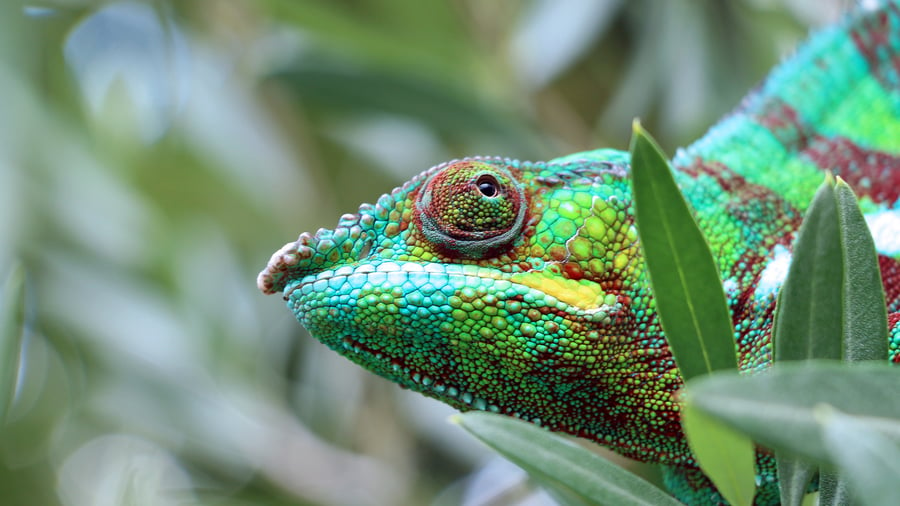
5% of all the animals in the world live here.
Need help planning your trip to Madagascar?
Our travel experts can help you refine your ideas, pick the right places and plan your trip from start to finish.
Highlights in Madagascar
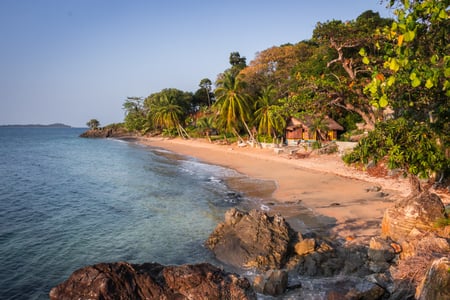
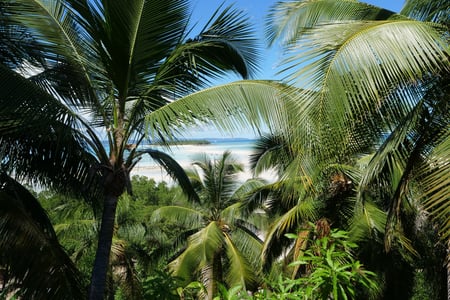
Start your trip down south around Ifaty, where you'll find gorgeous sandy beaches and the perfect setup to go snorkeling or dive with actual whales as they cruise through the Mozambique Channel. If you're looking for a serious adrenaline rush, head over to Anakao - the ultimate spot to dive with sharks. If hiking is more your vibe, Isalo National Park serves up stunning, paradise-level landscapes filled with epic waterfalls and massive canyons to explore. Nature lovers can also get off the grid and camp out in the breathtaking national parks of d'Andohahela and Ankarafantsika, or explore the wild rainforests and beautiful beaches of the Locaro Peninsula.
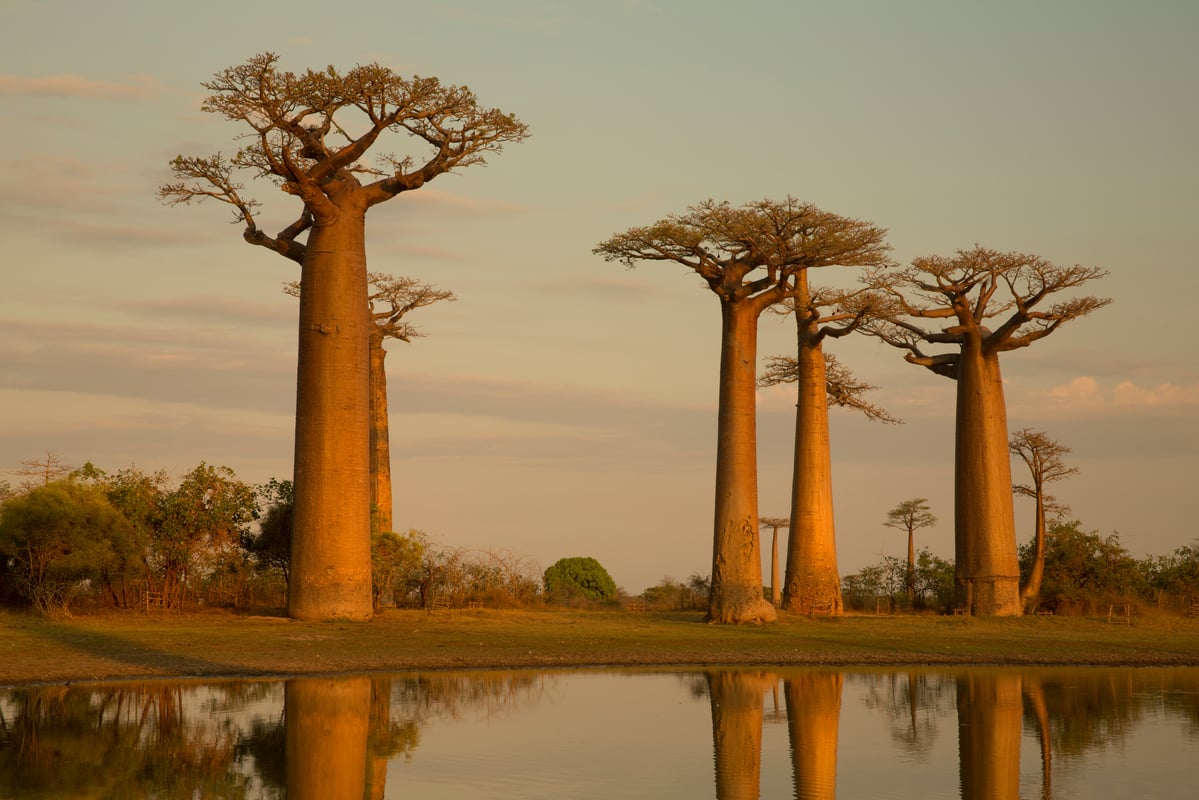
For the ultimate Instagram moment, you can't miss the Avenue of the Baobabs, where you can walk among iconic, ancient trees right at sunset for a totally magical experience. When you need to recharge, hit up the paradise island of Nosy Be for white sand beaches, turquoise waters, and majorly laid-back vibes. If you're a true thrill-seeker, challenge yourself to a trek through Tsingy de Bemaraha, a surreal, otherworldly landscape made of razor-sharp limestone cliffs and crazy suspension bridges. For a chiller day, take a boat trip down the Pangalanes Canals through lush jungle landscapes and small villages, or cruise down the Tsiribihina River to check out local village life and spot crocodiles in the wild. If you want to push your limits, try climbing Pic Boby, Madagascar's second-highest peak and a dream challenge for hardcore trekkers. Finally, make sure to fuel up on the local food scene by trying delicious, flavorful dishes packed with rice, coconut, and fresh tropical fruit.
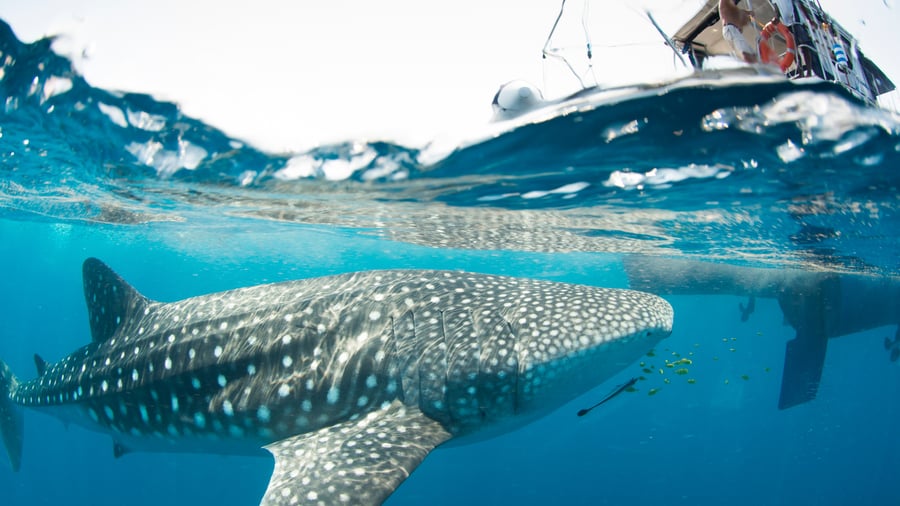
Whale shark off the coast of Madagascar
Why choose KILROY for your next trip
30+ years of expertise
For more than three decades, we’ve helped travellers discover the world. Our specialist knowledge and trusted global partners help you explore with confidence.
Personal travel advice
One dedicated travel expert who understands your plans, preferences, and goals. From first idea to journey home, they’ll guide you every step of the way.
24/7 support, wherever you are
If the unexpected happens, emergency support is always within reach. Wherever you are and whenever you need us, a KILROY expert is ready to help you.
The KILROY effect
The best trips don’t end when you get home. We create journeys filled with experiences, stories, and memories that stay with you long after the adventure ends.
Souvenirs: do's & dont's
We're all for supporting local businesses, but because deforestation is a growing problem, think twice before purchasing wooden souvenirs and the same goes for souvenirs made out of corals.
If you want to bring back something unique and eco-friendly, be on the lookout for miniature toy cars and bicycles that locals have crafted from recycled tin cans.
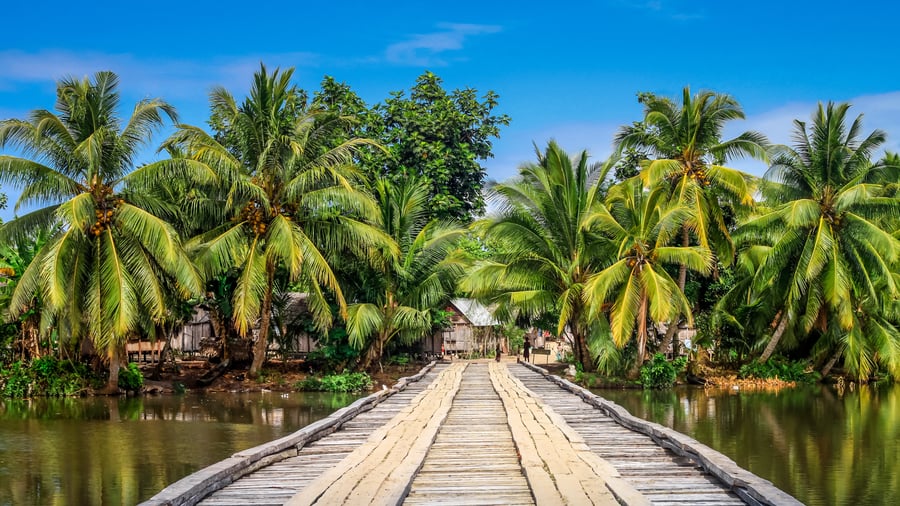
Madagascar’s Vanilla Coast
Frequently asked questions
Get answers to frequently asked questions about Madagascar.
Madagascar has a tropical climate with major regional differences depending on where you are on the island. Here is a guide to the weather:
Dry season (May – October): The best time to travel to Madagascar. The temperature is pleasant, and there is almost no rain – perfect for exploring rainforests, spotting lemurs, and enjoying the island's beautiful beaches.
Rainy season (November – April): Hot and humid with heavy downpours, especially in the eastern rainforest areas. There is a risk of cyclones, particularly from January to March, which can make travel more challenging.
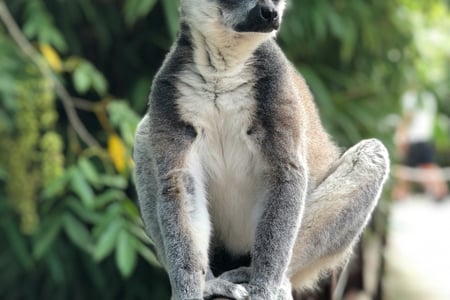
Madagascar's wildlife is completely unique, and many of the island's animal species are endemic, meaning they are found nowhere else in the world. The island's most famous, and one of its most special animals, is the lemur. They come in various sizes and species, each one more strange and fascinating than the last – some sing like a whale, others skip strangely around in the sand. In fact, there are over 100 different species of lemur!
The plant species in Madagascar are also overwhelming, and on a trip, you will see some of the more than 10,000 different kinds found here. In the southern part of the island, you will find some rather special dry rainforests, while the eastern part is where you find more typical tropical rainforests.
Madagascar is the world's fourth-largest island. Many find the people and the culture particularly interesting in Madagascar because it is a mix of many cultures from both Asia and Africa. In Madagascar, many still believe in the magic and spirits of the past, and large parts of the population, especially those living in rural areas, have preserved the traditional lifestyle with various dances, rituals, etc.
Large parts of Madagascar can be difficult to travel around on your own, but if you still choose to try, it is possible to travel by train in certain parts of the country. On routes such as Toliara to Ifaty, you can also travel by bus. However, the infrastructure in the country is far from the standards we are used to back home, so you need to embark on the journey with an open mind.

Latest in the KILROY travel blog
We love tot travel, and we expect that you do too! Find our travel stories, guides and top picks to feed your wanderlust with inspiration for your next trip.

Showing 3 / 3 results