TRAVEL TO NAMIBIA
A country for adventurers
The world's oldest desert, majestic wildlife and countless adrenalin kicks. Namibia is the perfect destination if you're looking for a real adventure.
Featured trips to Namibia
Handpicked experiences worth checking out
Why you'll love Namibia
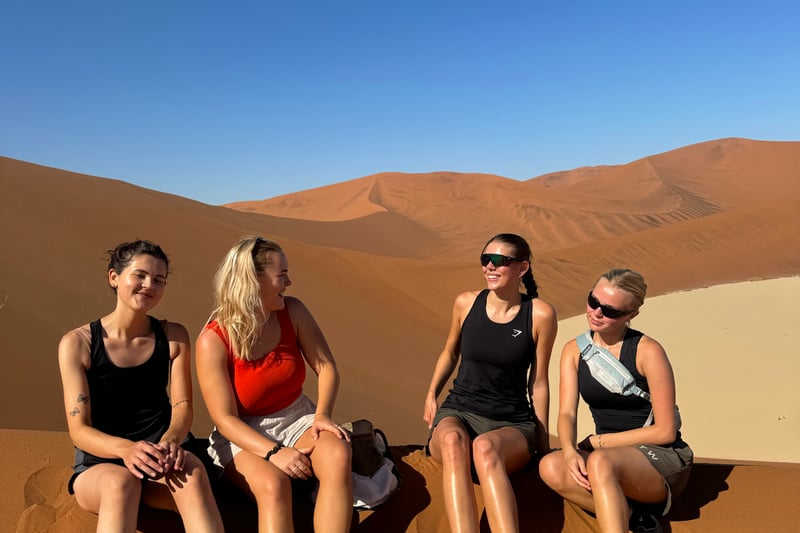
Famous for the towering red dunes of the Namib Desert, the dramatic Fish River Canyon and some of the clearest night skies on Earth, Namibia is a dream destination for nature lovers. Wildlife enthusiasts can enjoy exceptional safari experiences alongside sightings of flamingos, seals and meerkats. Adding to its appeal is a fascinating cultural mix of colonial heritage and traditional nomadic communities, creating a travel experience unlike anywhere else. And when we tell you you can go off the beaten track in Namibia it's not just empty words. The population density in Namibia is one of the world's lowest, so if you long for vast landscapes far from the crowds, this is the place to go.
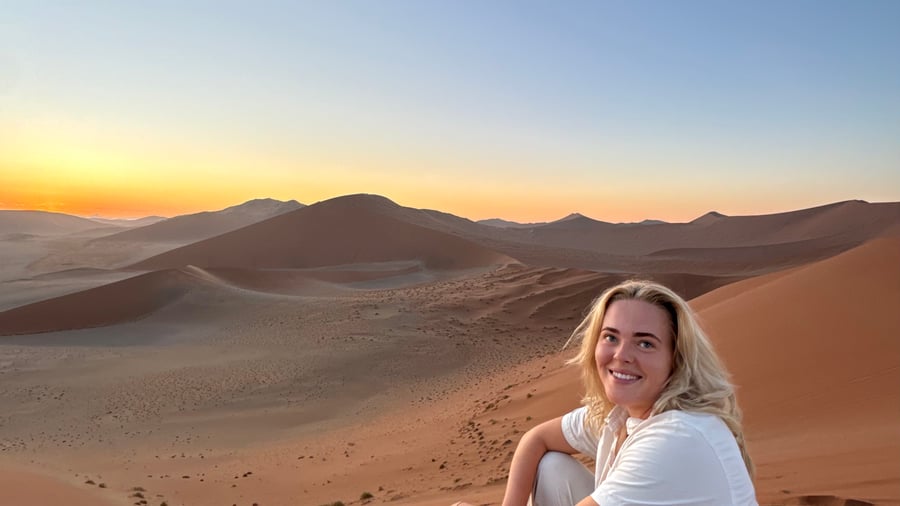
Enjoy the dreamy desert in Namibia
What to do in Namibia?
Safari, hiking or volunteering? Namibia has it all.
Need help planning your trip to Namibia?
Our travel experts can help you refine your ideas and plan your trip from start to finish. What are you waiting for?
Desert adventures
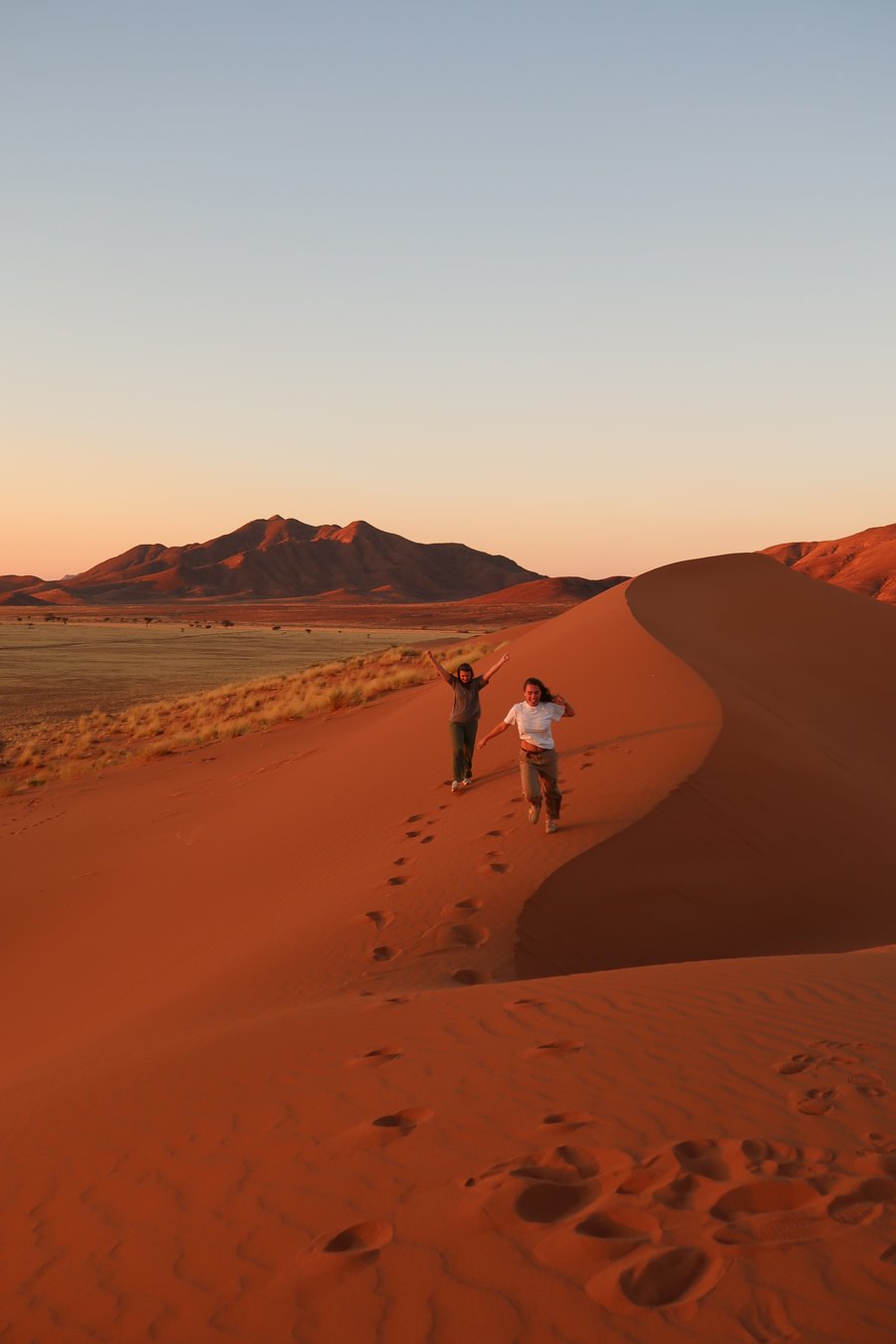
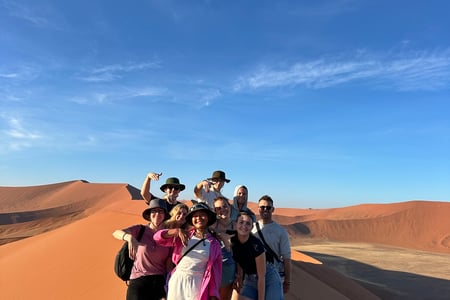
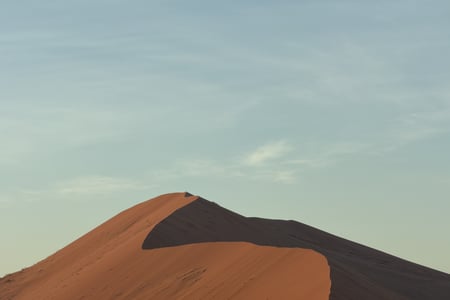
Namibia is synonymous with spectacular desert scenery, including the iconic sand dunes of Sossusvlei, part of the Namib-Naukluft National Park. These towering orange dunes rise hundreds of metres into the air and are especially breathtaking at sunrise and sunset, when the shifting light creates dramatic shadows across the sand. When you're done enjoying the view, grab a sandboard and go for a ride down the dunes.
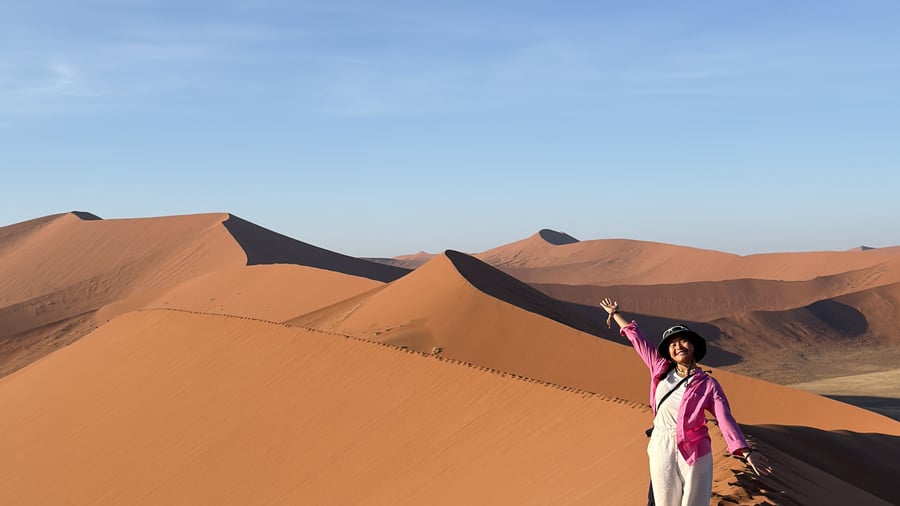
The sand dunes of the Namib Desert
Why choose KILROY for your next trip
30+ years of expertise
For more than three decades, we’ve helped travellers discover the world. Our specialist knowledge and trusted global partners help you explore with confidence.
Personal travel advice
One dedicated travel expert who understands your plans, preferences, and goals. From first idea to journey home, they’ll guide you every step of the way.
24/7 support, wherever you are
If the unexpected happens, emergency support is always within reach. Wherever you are and whenever you need us, a KILROY expert is ready to help you.
The KILROY effect
The best trips don’t end when you get home. We create journeys filled with experiences, stories, and memories that stay with you long after the adventure ends.
What to do in Namibia?
Wildlife encounters, desert adventures and starry nights. Here's some of the things you can't miss on a trip to Namibia.
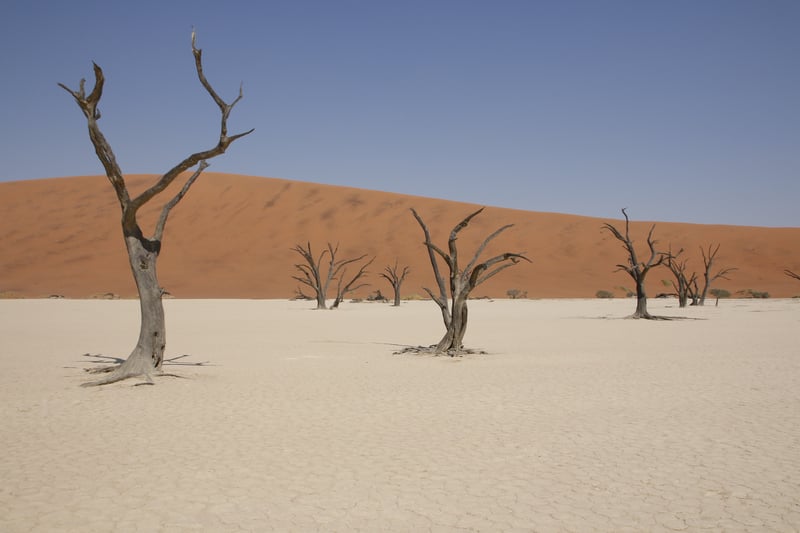
See the 900-year-old trees at Deadvlei
Deadvlei is famous for its dead camel thorn trees, which stand as haunting silhouettes against the landscape. Around 900 years old, the trees have been perfectly preserved by the desert’s hot, arid climate and are truly remarkable to behold. Set against a white clay pan and surrounded by rust-coloured dunes, they create a surreal scene.
Enjoy one of the clearest night skies in the world
The Namib Desert is widely regarded as one of the best places on Earth for stargazing, so make sure to spend a night in the desert. With virtually no light pollution, the night sky is exceptionally clear, allowing you to see the Milky Way in stunning detail.
Spot wild horses and welwitschia
Welwi-what-now? Welwitschia is Namibia’s national plant, and while that may not sound particularly exciting at first, it is truly extraordinary. This remarkable species can live for up to 2,000 years and is found only in the Namib Desert.
The Namib Desert is also home to a population of beautiful wild horses. No one knows exactly where they come from, but between Aus and Lüderitz, around 90 to 150 wild horses are thriving in some remarkably harsh conditions. Watching these resilient animals gallop across the desert at sunset is an unforgettable sight.
Get your adrenalin kick in Swakopmund
Swakopmund is a coastal town known for its German architecture and colonial heritage, but it is also considered Namibia’s adventure capital. From here, you can try sandboarding, explore the dunes on an ATV, take a hot-air balloon flight over the desert, or even go skydiving.
Further south along the coast, near Walvis Bay, you'll find Dune 7, one of the tallest sand dunes in the world. Rising to almost 400 metres, it offers a rewarding challenge for adventurous travellers willing to make the climb. But please remember to bring plenty of water.
Take a walk on the moon - in the desert
Just outside Swakopmund lies a remarkable area known as the Moon Landscape, named for its striking resemblance to the surface of the moon. It is an extraordinary sight. If you would like to see Namibia’s famous welwitschia plant, this is also one of the best places in the country to do so.
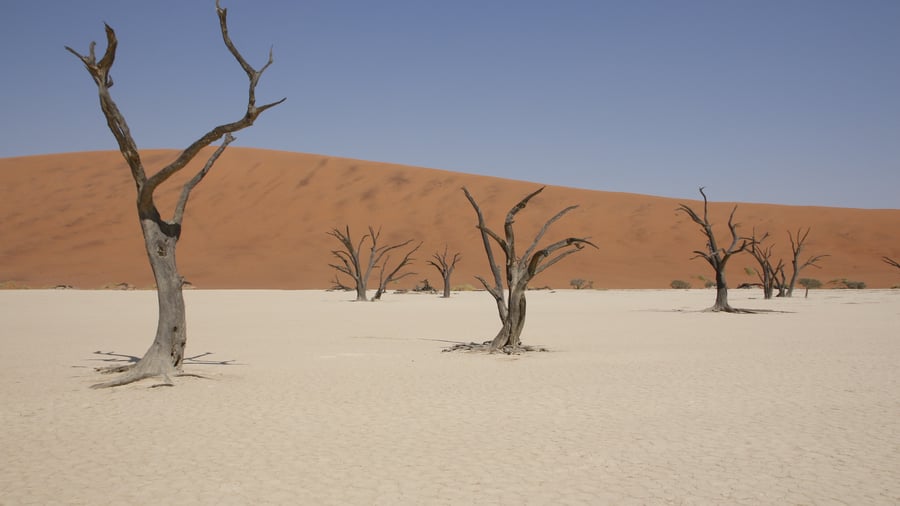
The dead trees of Deadvlei
Dramatic views and nomadic communities
Visit the Fish River Canyon
Fish River Canyon is the second-largest canyon in the world, surpassed only by the Grand Canyon. It offers dramatic scenery and excellent hiking opportunities. You can admire the canyon from a number of spectacular viewpoints along the rim or venture down into the canyon itself, where you can truly appreciate its immense scale. If possible, stay for sunset – the changing colours across the landscape are out of this world.
Enjoy the dramatic scenery at Skeleton Coast
Stretching along the Atlantic coastline, the Skeleton Coast takes its name from the many whale, seal and dolphin skeletons, as well as the shipwrecks that litter its shores. The result is a dramatic, haunting – and picturesque view.
Skeleton Coast National Park is also home to a surprising variety of wildlife, including elephants, lions, antelopes, black rhinos, giraffes, flamingos and vultures.
Visit the Himba people
The Himba people live in northern Namibia and are a semi-nomadic pastoral community whose livelihoods revolve around cattle and goat herding. In regions such as Damaraland, visitors have the opportunity to learn about their traditional way of life and gain insight into one of Namibia’s most distinctive cultures.
The Himba are particularly known for covering their skin and hair with otjize, a mixture of ochre pigment and butterfat that gives a characteristic reddish look.
Explore the ghost town of Kolmanskop
Kolmanskop was once a thriving diamond-mining town, but when the diamonds ran out in the 1950s, it was abandoned.
Since then, the desert has gradually reclaimed the settlement, with sand eating its way into the buildings and filling entire rooms. Today, it stands as one of Namibia’s most unusual and photogenic attractions.
Admire the Epupa Falls
In the far north of Namibia, close to the border of Angola, you will find Epupa Falls. This series of waterfalls cascades along the Kunene River, with the highest drop reaching 37 metres.
Surrounded by rust-coloured mountains, palm groves and ancient baobab trees, the falls remain one of Namibia’s lesser-known treasures. If you are looking to experience a side of the country that many visitors miss, Epupa Falls is an excellent choice.
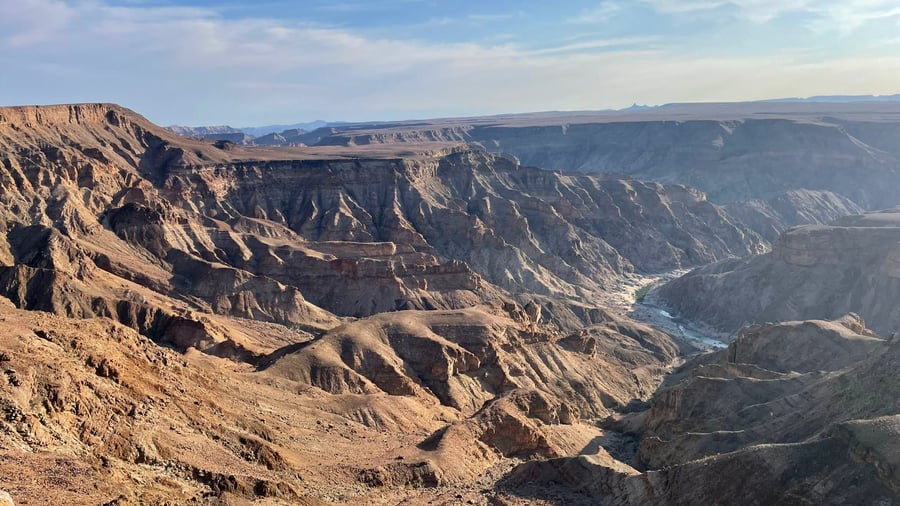
Fish River Canyon
Safaris and gangs of meerkats
Spectacular safari experiences in Etosha National Park
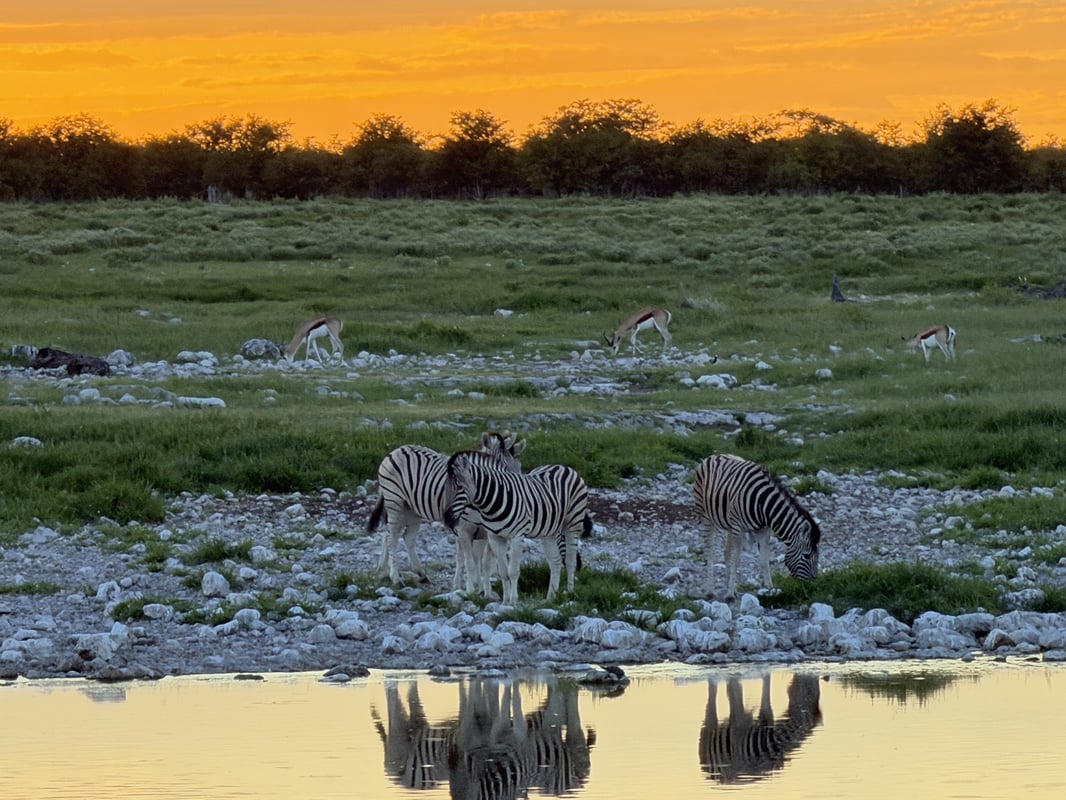
Covering an area of approximately 22,270 square kilometres, Etosha National Park in northern Namibia is one of Africa’s largest protected areas. It is renowned for its vast salt pan and exceptional wildlife.
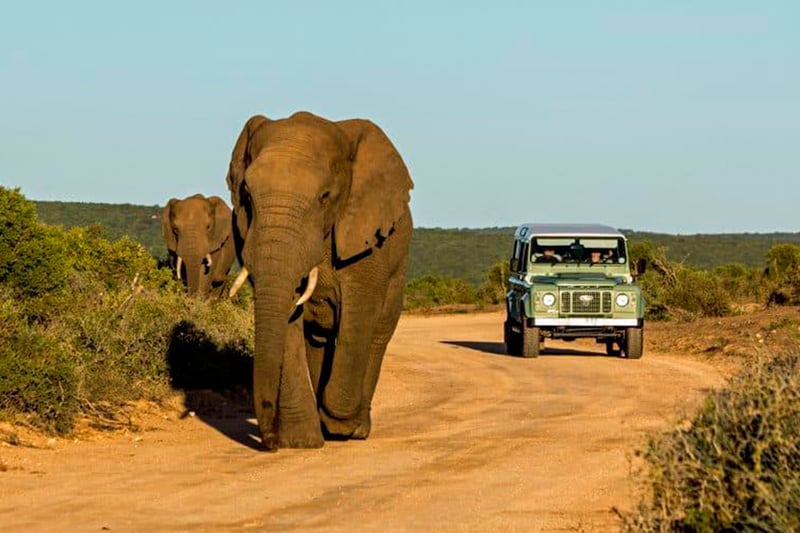
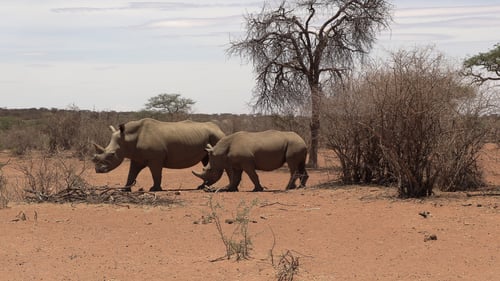
The park is home to large herds of elephants, giraffes, zebras, wildebeest and antelopes, as well as predators such as lions, leopards and cheetahs. It is also one of the best places in Africa to spot the rare black rhinos.
Desert elephants, seals and flamingos
While the wildlife of Etosha National Park is undoubtedly a major highlight, there are also many other wildlife experiences to enjoy throughout Namibia.
At Cape Cross, you can observe colonies of Cape fur seals and spot pelicans, while nearby Walvis Bay is famous for its flamingos. In Damaraland, in the north-west of the country, you may encounter the region’s famous desert elephants, which have evolved to thrive in one of the harshest environments on Earth.
Generally, Namibia also offers excellent opportunities to see meerkats in the wild. If you happen to come across a gang (yes, a group of meerkats is known as a gang), sit back and enjoy the show – their behaviour is both entertaining and fascinating to watch.
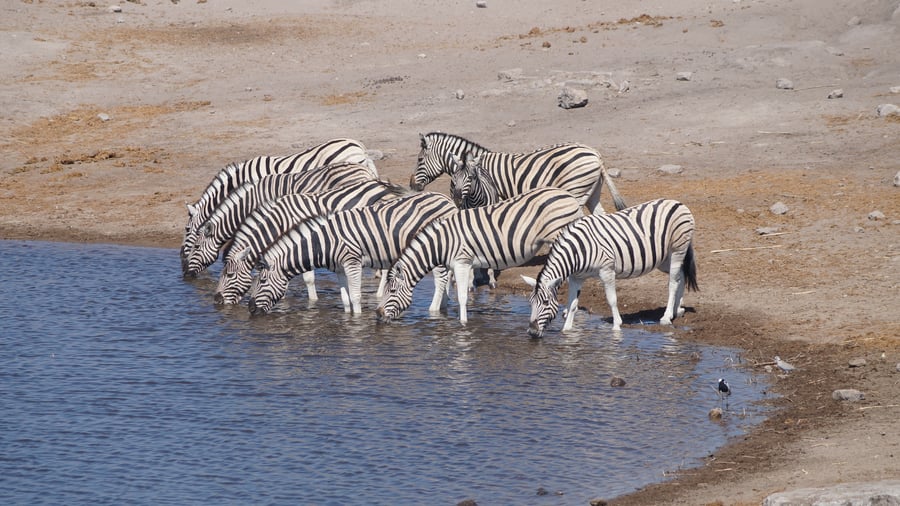
Zebras in Etosha National Park
Frequently asked questions
Get answers to all your questions about Namibia!
In general, Namibia is a safe destination for travellers. As always, it is important to use common sense and take sensible precautions, including keeping a close eye on your valuables.
If you plan to drive in Namibia, be aware that much of the road network consists of gravel roads. We recommend avoiding driving after dark, as road conditions can be challenging and wildlife may unexpectedly cross the road. And trust us, you do not want to collide with a giraffe.
Danish citizens require a visa to enter Namibia and must be able to present proof of onward or return travel.
Your passport must be valid for at least six months beyond your departure date from Namibia, and you must have at least three blank pages available in your passport upon arrival.
Passport and visa regulations can change at short notice, so we recommend checking the latest requirements on the website of the Danish Ministry of Foreign Affairs before travelling. If you book your trip to Namibia with KILROY, we will of course advise you on the current entry requirements.
The official currency of Namibia is the Namibian Dollar (NAD), although the South African Rand (ZAR) is also widely accepted throughout the country.
Credit and debit cards are accepted at most hotels, restaurants and larger shops. However, if you are travelling to more remote areas, it is advisable to carry some cash. Having cash on hand is also useful for small purchases, tips and situations where card payment terminals may not be working.
There are four types of travellers in particular who tend to fall in love with Namibia:
Nature lovers and photographers
Nature enthusiasts and photographers are drawn to Namibia for its stunning – and exceptionally photogenic – landscapes. The striking colours of Sossusvlei, the dramatic light across the Etosha Pan and the rugged beauty of the Skeleton Coast are unforgettable sights. The country's clear air and minimal light pollution also make it one of the world's finest destinations for night-sky photography.
Culturally curious travellers
Travellers with an interest in culture can enjoy unique encounters with Namibia's traditional communities. In addition to the Himba people, you may meet the Damara and San peoples, each of whom has preserved distinctive traditions, crafts and cultural practices across generations.
Namibia's history as a German colony has also left a lasting mark on the country's architecture, cuisine and language, particularly in towns such as Swakopmund.
Safari enthusiasts
Safari lovers are drawn to Etosha's abundant wildlife and the opportunity to observe large concentrations of animals without the crowds often found in some of Africa's more famous national parks.
Namibia also offers one of the best chances to spot the rare black rhino, with sightings considerably more common here than in many other parts of the continent.
Adventurers and active travellers
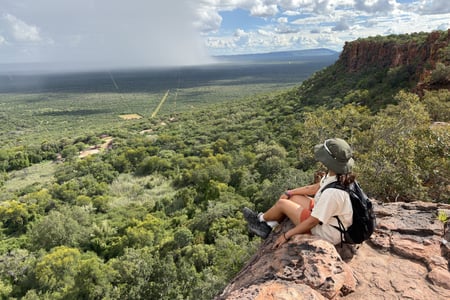
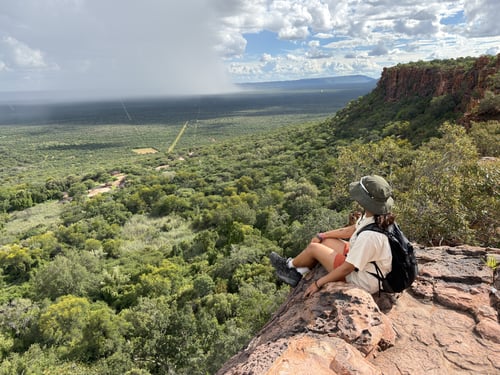
Adventure seekers can combine wildlife experiences with activities such as sandboarding down towering dunes, tackling remote tracks in a 4x4 vehicle and hiking through the dramatic landscapes of Fish River Canyon.
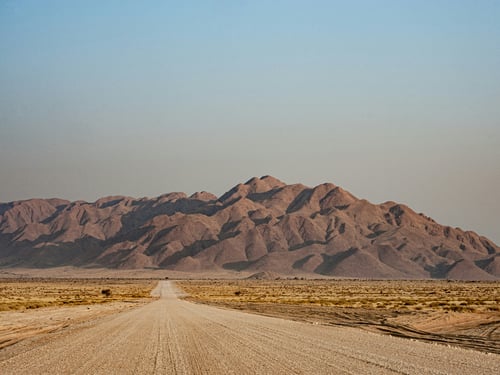
If you are planning a self-drive holiday in Namibia, hiring a 4x4 vehicle is highly recommended, as many of the country's roads are unpaved gravel tracks. While self-driving is one of the most popular ways to explore Namibia, you can also join an organised overland tour and travel through the country as part of a guided group journey.
When is the best time to visit Namibia?
Most travellers visit Namibia between May and October. During these months, the weather is dry and warm without being too hot, and the safari conditions are excellent.
As May to October is the peak travel season, it is also the most expensive time to visit. Therefore, it can be well worth travelling during the shoulder months of April and November. You can still enjoy favourable safari conditions and generally pleasant weather — although it may be a little less predictable — while benefiting from lower prices and fewer visitors.
If a safari is not your main priority and you do not mind the occasional rain shower, travelling during the rest of the year can also be a great option. During these months, Namibia transforms into a greener, more lush landscape, which is also beautiful.
Namibia’s weather and climate at a glance:
Namibia is located in the Southern Hemisphere, so the seasons are the opposite of those in Europe.
With around 300 days of sunshine each year, Namibia is one of the sunniest destinations in the world.
The best safari conditions are generally found between May and October.
From November to April, the landscape is warmer, greener and more humid.
For a more detailed overview of temperatures, regional weather variations and the rainy season, take a look at our comprehensive guide to Namibia’s weather.
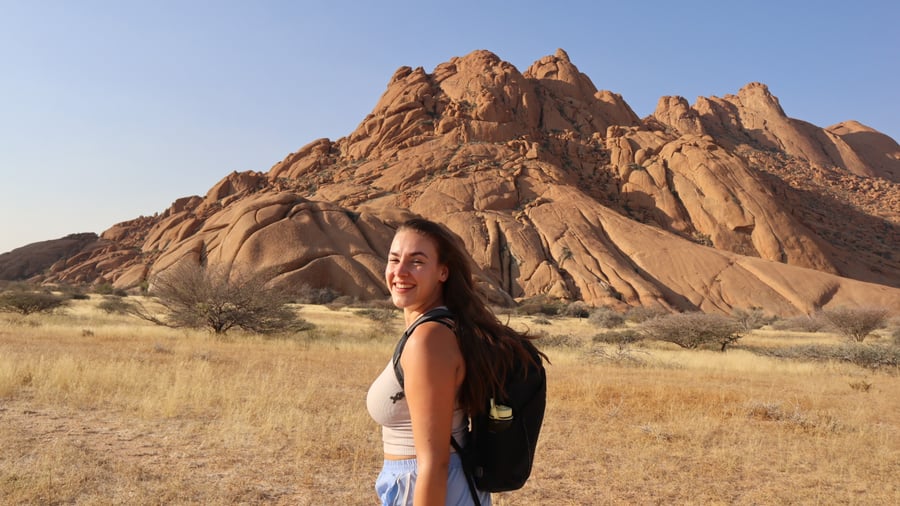
Enjoy the warm, dry weather in May-October
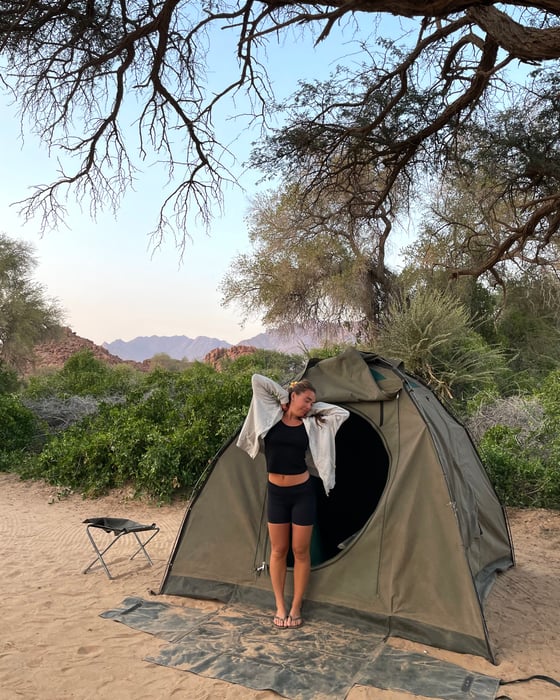

Find more inspiration in the KILROY travel blog
We love to travel, and we expect that you do too! Find our travel stories, guides and top picks to feed your wanderlust with inspiration for your next trip.

Showing 3 / 3 results