TREKKING IN NEPAL
Trek through the mountain peaks of the Himalayas
Trekking in Nepal is a bucketlist item for many travellers, and for good reason! Amazing views and trails for every skill level, Nepal is truly special.
Featured trekking trips to Nepal
Handpicked experiences worth checking out

Hike some of the world's most iconic treks
Few destinations can compete with Nepal when it comes to trekking. Home to eight of the world's fourteen highest mountains, including Mount Everest, the country offers some of the most spectacular hiking and trekking experiences on the planet. Whether you're looking for a challenging multi-week expedition or a shorter introduction to the Himalayas, trekking in Nepal combines breathtaking mountain scenery, fascinating local cultures, and a genuine sense of adventure.
What makes hiking in Nepal so special is that the journey becomes just as memorable as the destination. The trails take you through remote valleys, traditional mountain villages, rhododendron forests, and high-altitude landscapes that feel a world away from everyday life. Rather than spending your nights in tents, most routes are supported by a network of tea houses, allowing you to travel light while experiencing the hospitality of the communities that call the Himalayas home.
From first-time trekkers to experienced hikers, Nepal offers routes for every level of ambition. Some travellers come with a lifelong dream of completing the Everest Base Camp trek, while others are drawn to the variety of landscapes found on an Annapurna trek. Whatever trail you choose, you'll find yourself surrounded by snow-capped peaks, crossing suspension bridges above deep river gorges, and waking up to mountain views that are hard to believe even when you're standing in front of them. If you're searching for the ultimate trekking adventure, Nepal remains one of the best places in the world to lace up your boots and hit the trail.
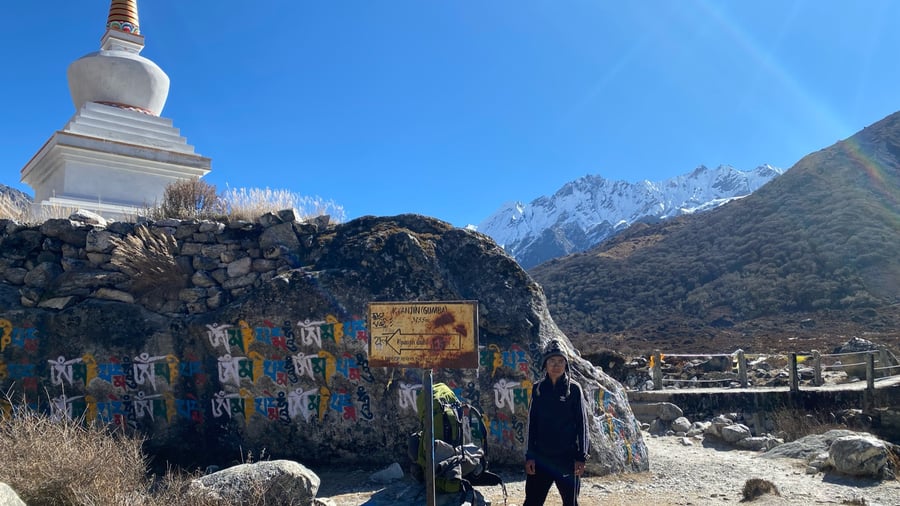
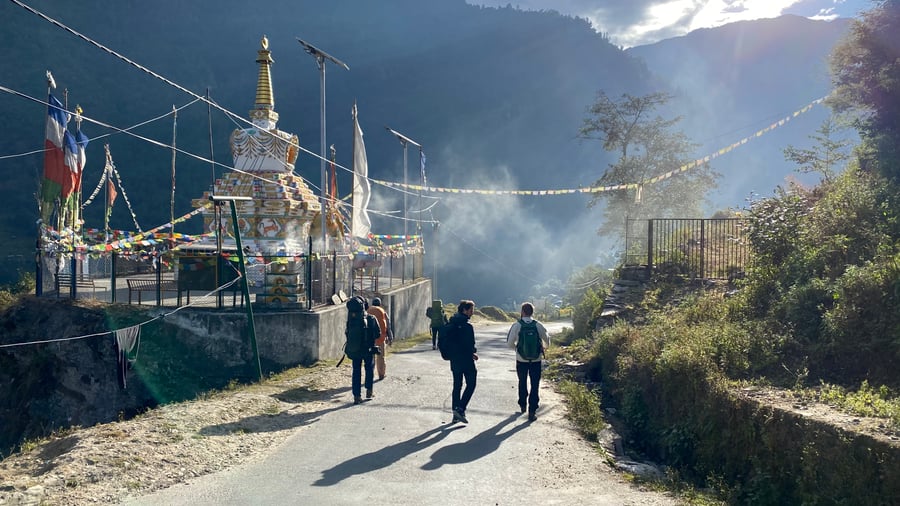
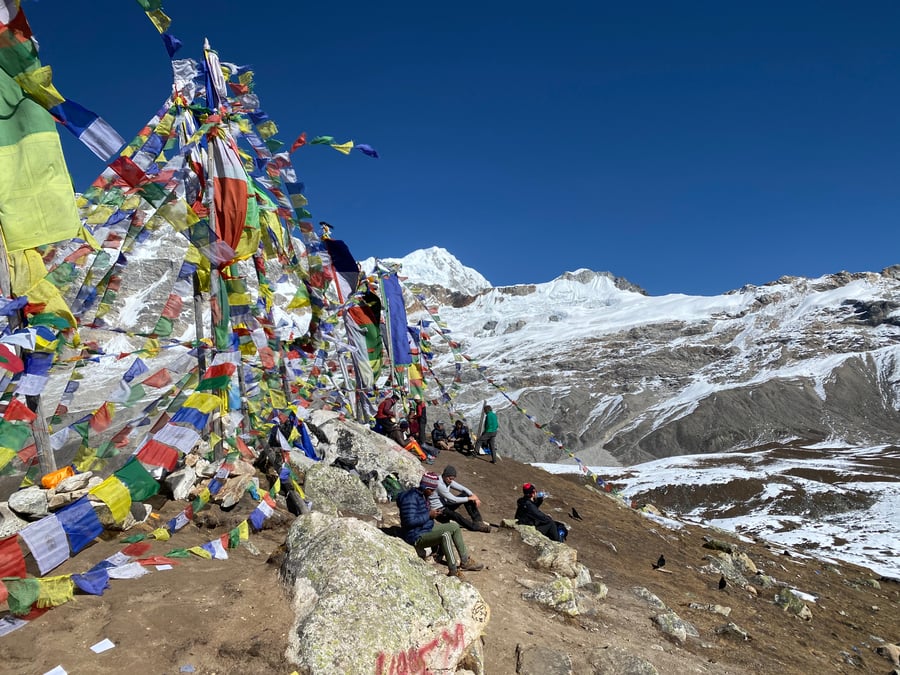
Stupa's & prayer flags are a common sight in Nepal
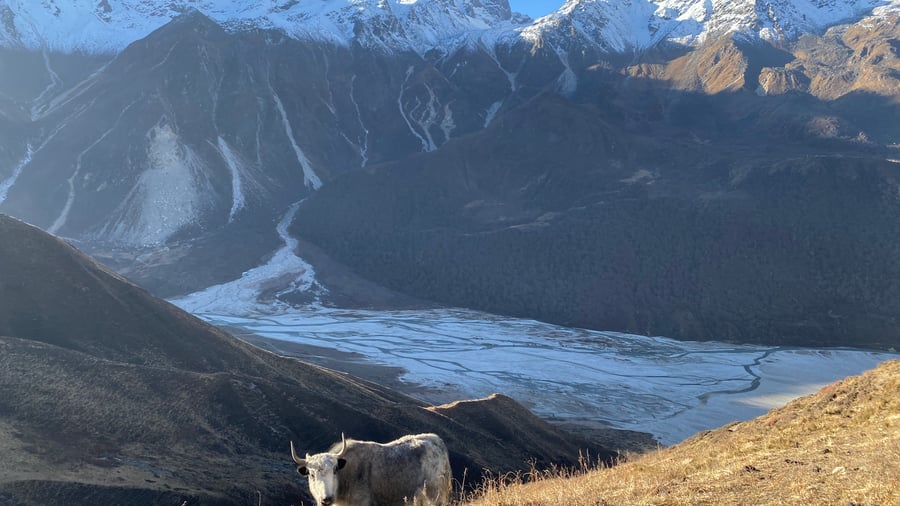
Cows grazing in the highlands of Nepal
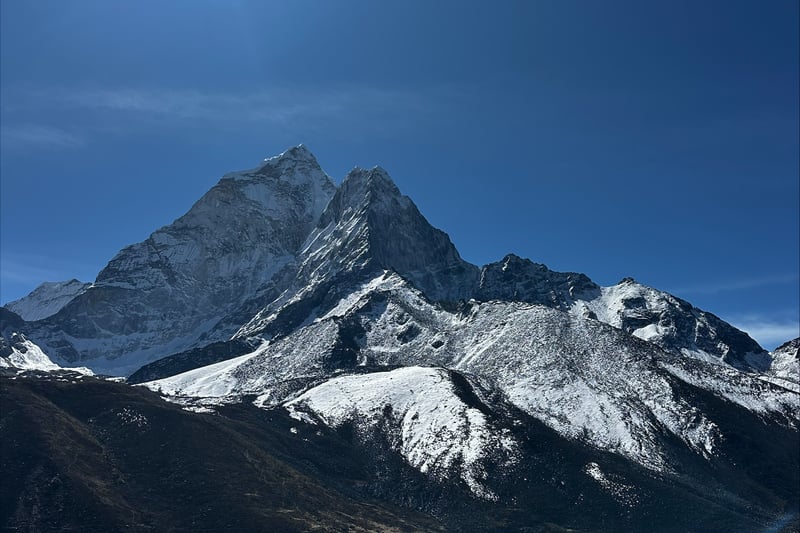
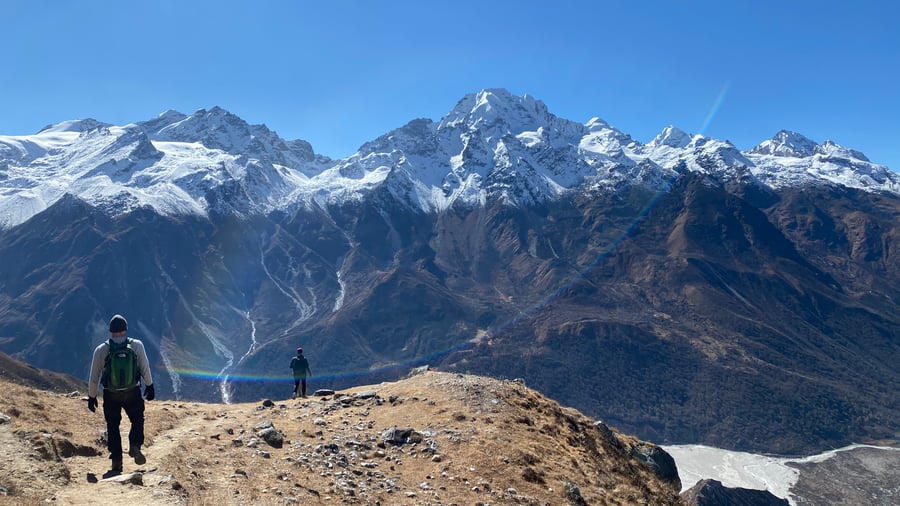
Stunning views while hiking in Nepal
Travellers hiking past a Stupa with prayer flags
Other great trekking destinations
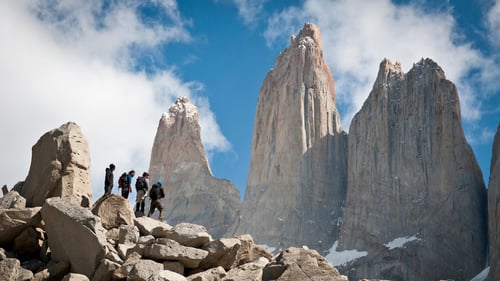
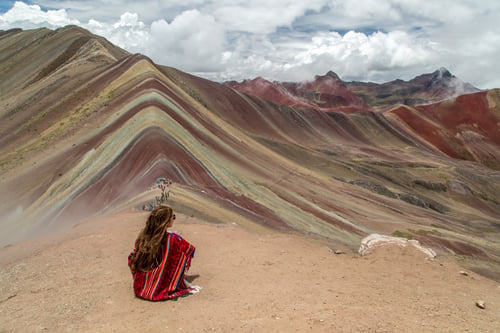
A wide selection of recommended trekking destinations
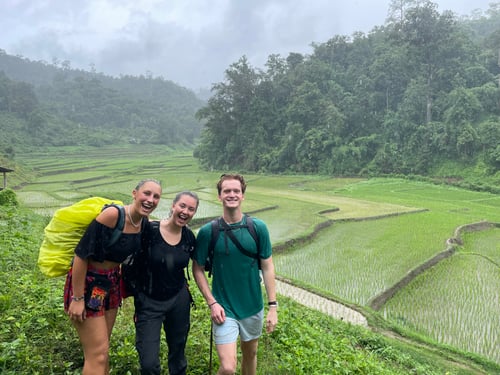
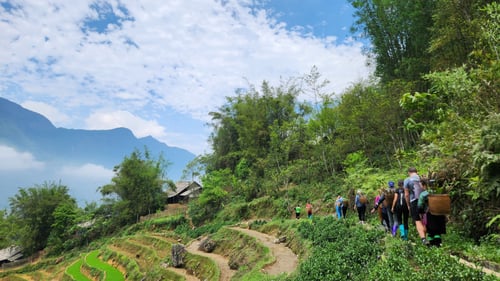
Need help planning your trekking trip?
Our travel experts can help you refine your ideas, pick the right destinations and plan your trip from start to finish.

(Test)
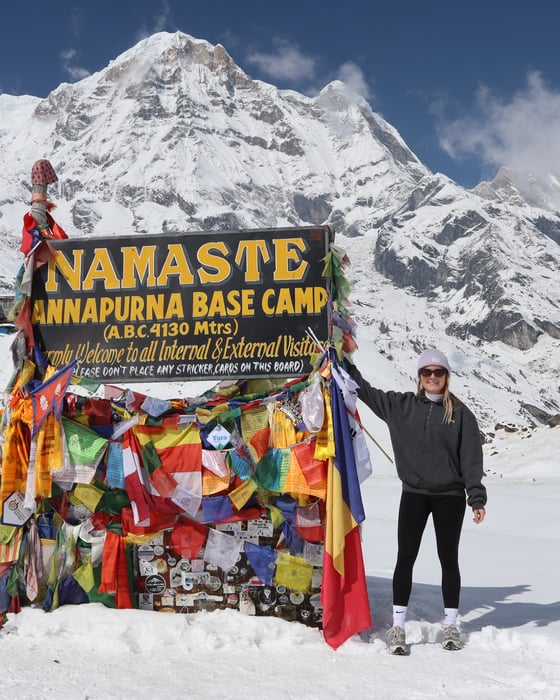
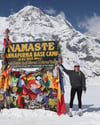
Everest Base Camp, Annapurna & Nepal's most iconic treks
The Everest Base Camp trek and the Annapurna trek are Nepal's two most famous trekking experiences, but each offers something completely different. The Everest region attracts travellers who want to walk in the footsteps of legendary climbers and experience the landscapes that have inspired generations of adventurers. The route passes through famous Sherpa settlements such as Namche Bazaar and Tengboche before reaching Everest Base Camp itself. Along the way, trekkers enjoy stunning views of Everest, Lhotse, Ama Dablam, and countless other Himalayan giants.
The Annapurna region offers a different kind of trekking experience. Instead of focusing on one iconic mountain, the Annapurna trek showcases an incredible variety of environments. Depending on the route, you'll walk through terraced farmland, dense forests, traditional Gurung villages, alpine meadows, and high mountain passes. The Annapurna Circuit remains one of the world's classic long-distance treks, while shorter options such as Annapurna Base Camp are ideal for travellers with less time available.
Besides these famous routes, Nepal is packed with lesser-known trekking regions that reward those willing to venture away from the crowds. The Langtang Valley offers dramatic mountain scenery within easy reach of Kathmandu, while the Manaslu Circuit provides a more remote alternative to the Annapurna region. Trekkers seeking untouched trails, authentic cultural encounters, and quieter mountain landscapes often find these areas just as rewarding as the country's better-known routes. No matter which trail you choose, trekking in Nepal offers a unique combination of natural beauty, cultural experiences, and unforgettable Himalayan scenery.
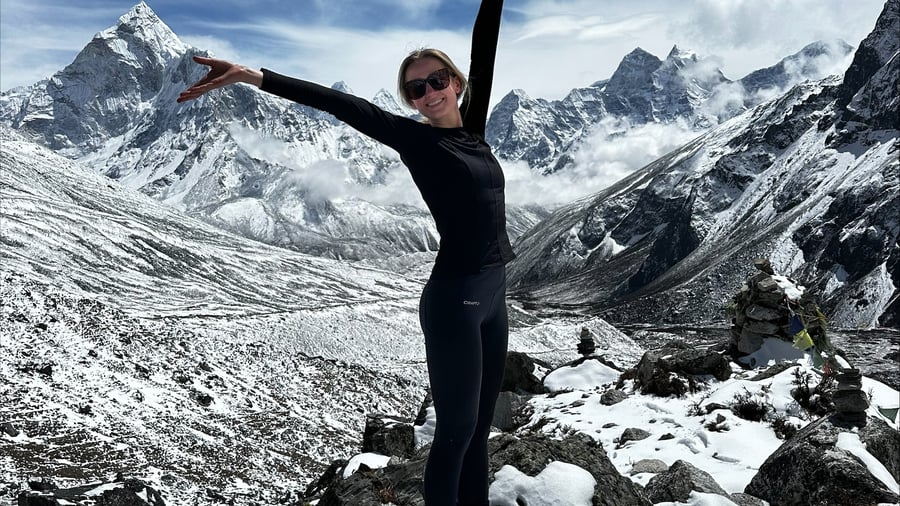
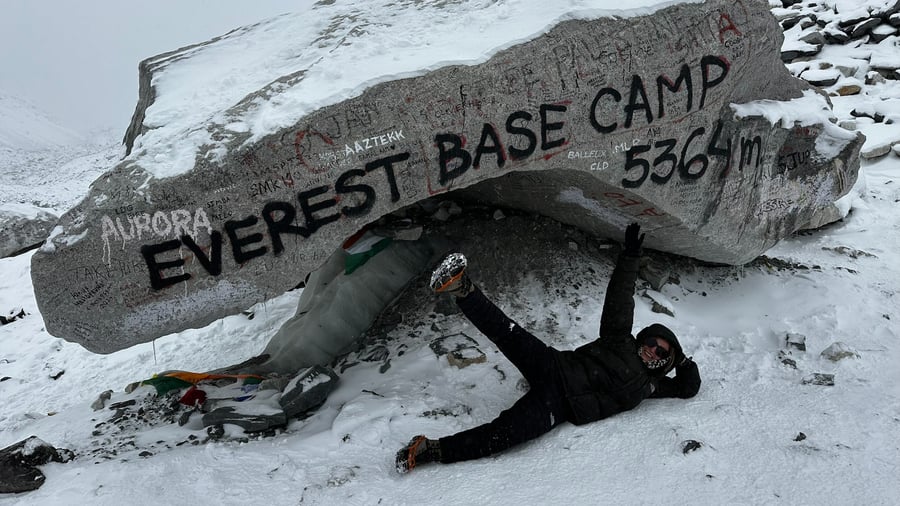
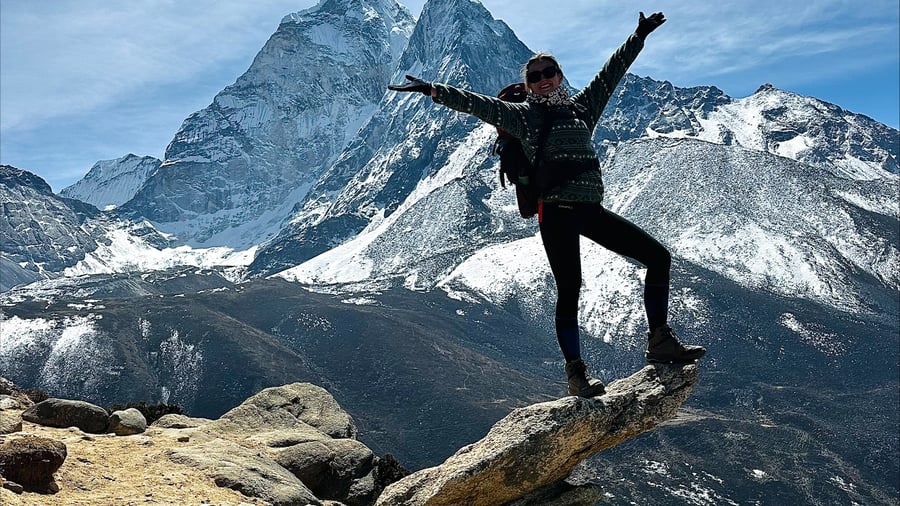
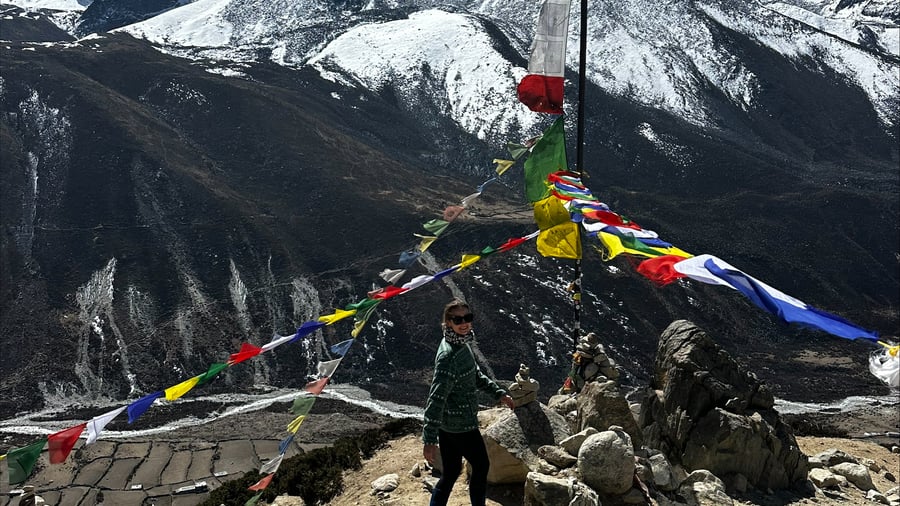
Amazing landscapes and lots of snow all around
Bucketlist item: check!
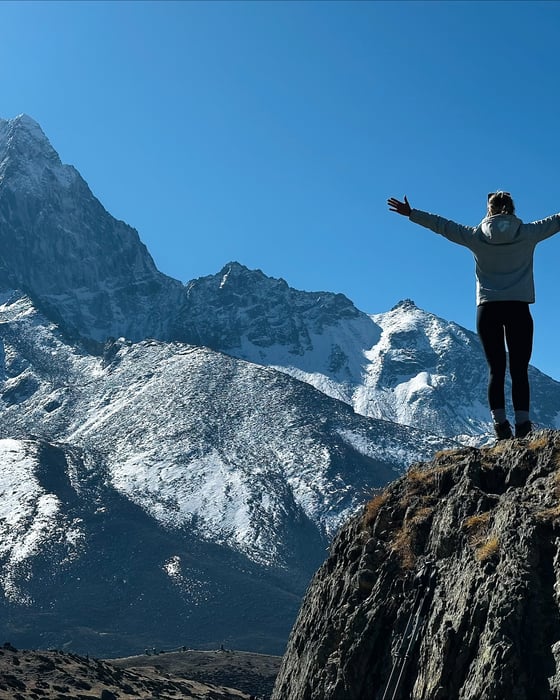
Traveller posing with stunning landscapes in Nepal
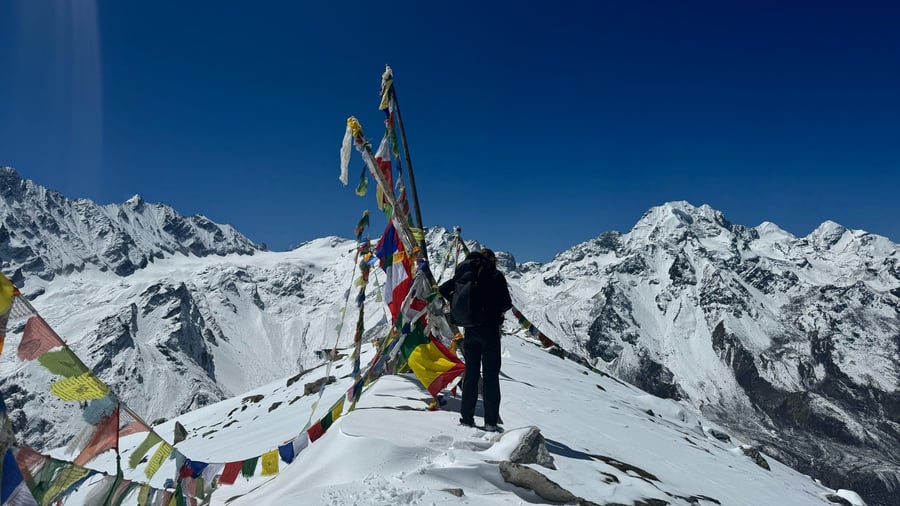
Prayer flags high up in the mountains
What to expect when hiking in Nepal
One of the reasons hiking in Nepal is so popular is that it offers adventure without requiring extensive mountaineering experience. Most trekking routes follow established trails, and many can be completed by travellers with a reasonable level of fitness and a positive attitude. Days are usually spent walking through changing landscapes, with plenty of opportunities to stop for tea, take photos, and enjoy the mountain views. Distances and difficulty levels vary significantly depending on the route, but the pace is often slower than many first-time trekkers expect due to altitude and the terrain.
Accommodation on most routes comes in the form of tea houses, simple mountain lodges that provide meals, basic rooms, and a comfortable place to relax after a day on the trail. Sharing stories with fellow trekkers around a dining room stove has become an iconic part of the trekking in Nepal experience. Meals are hearty and designed to fuel long days in the mountains, with classics such as dal bhat found throughout the trekking regions.
While the scenery is often the main reason people choose a Himalayan adventure, many travellers return home talking just as much about the people they met along the way. Trekking in Nepal is as much a cultural experience as it is a physical challenge. You'll pass Buddhist monasteries decorated with colourful prayer flags, walk through villages where life has changed little for generations, and gain a deeper appreciation for the communities that thrive in these remote mountain environments. Whether you're tackling the Everest Base Camp trek, exploring the Annapurna region, or discovering one of Nepal's lesser-known trails, you can expect an adventure that stays with you long after you've left the Himalayas behind.
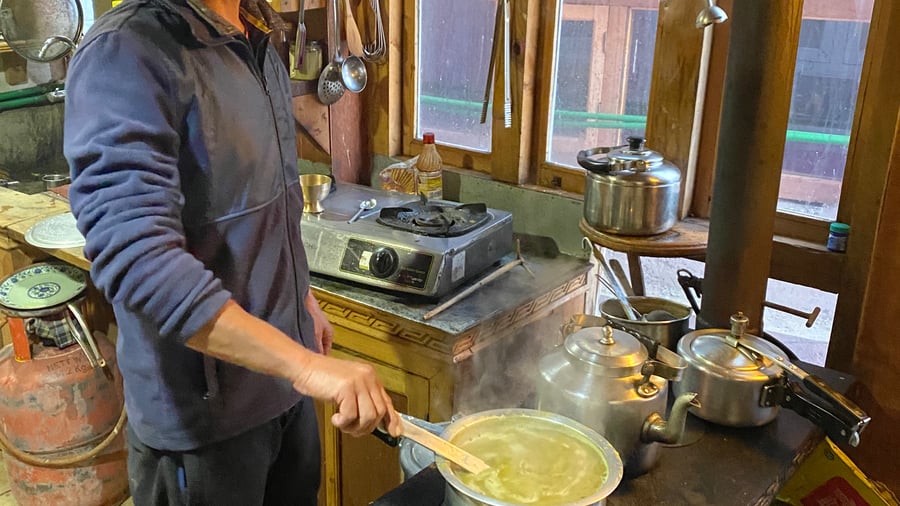

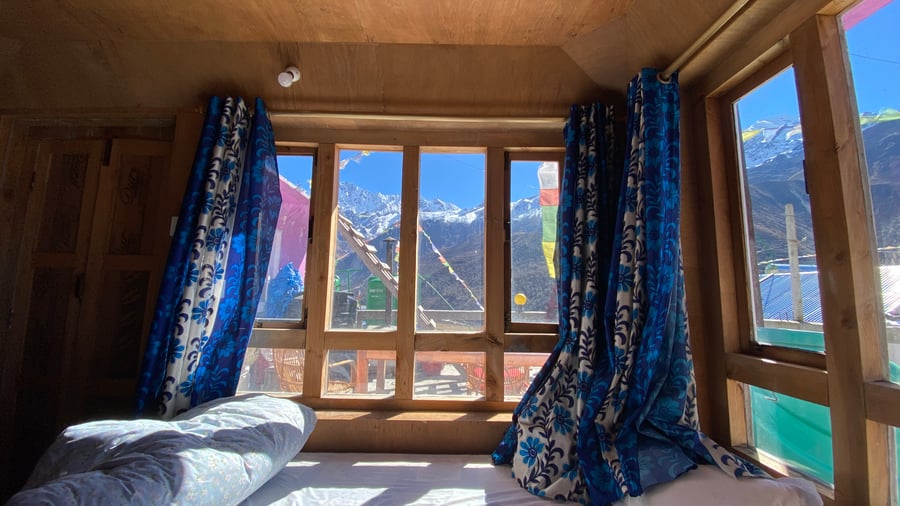
Local cooking in a simple kitchen on the trail
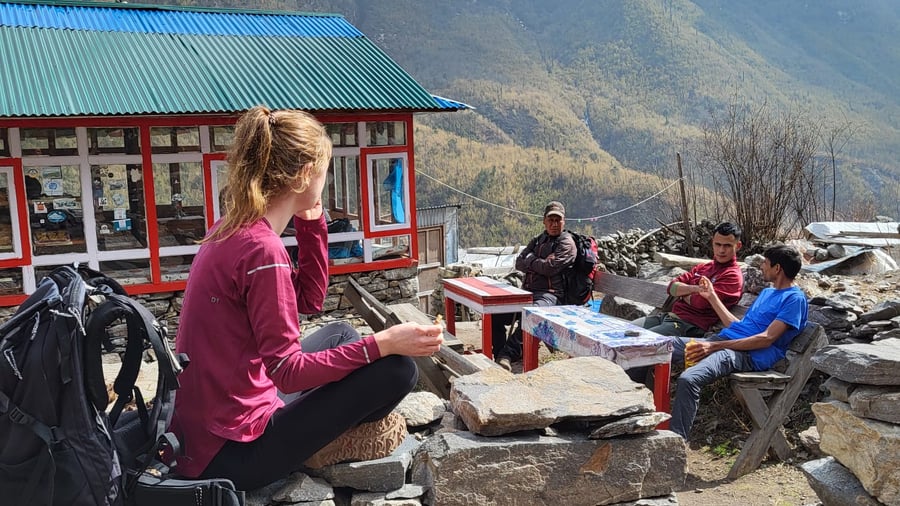
Accommodation is simple, but adequate
Outdoor meals are pretty common on the trails
Coffee with a view, not bad eh?
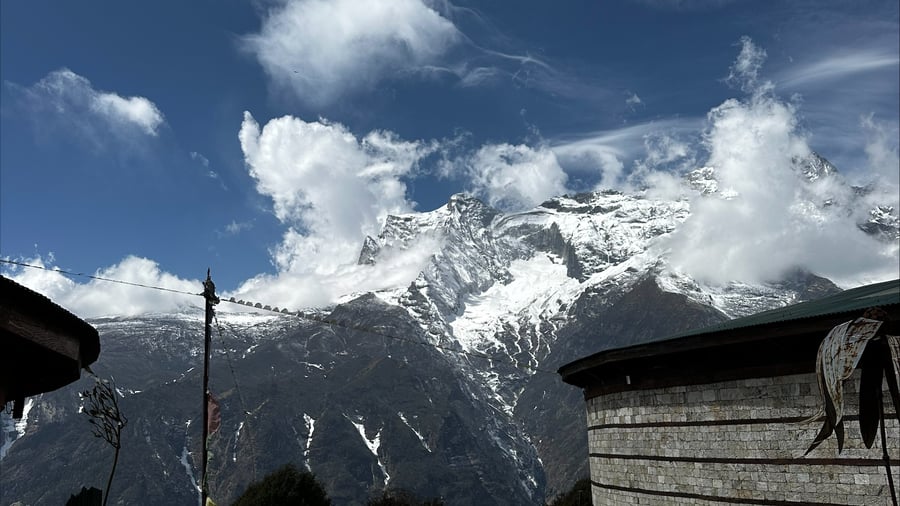
These views is what we live for!
Frequently asked questions
Got questions? We've got answers. Here are some of the things travellers ask us most about trekking in Nepal.
The best time to go trekking in Nepal is during the spring (March to May) and autumn (September to November). These months usually bring clear skies, comfortable temperatures, and the best mountain views, making them ideal for popular routes like Everest Base Camp and the Annapurna Circuit. Spring adds blooming rhododendron forests to the landscape, while autumn offers crisp air and some of the year's most reliable trekking conditions. Winter treks are possible at lower altitudes, but snow can make high passes inaccessible, while the summer monsoon season often brings rain, muddy trails, and reduced visibility.
No, you don't need to be an experienced hiker to go trekking in Nepal. While some routes involve long days, high altitudes, and challenging terrain, there are plenty of treks suitable for beginners with a reasonable level of fitness. The key is choosing a route that matches your experience, fitness, and available time. Whether you're looking for a shorter introduction to the Himalayas or dreaming of iconic treks like Everest Base Camp or the Annapurna region, there are options for a wide range of abilities. A positive attitude and a willingness to take things one step at a time are often more important than having years of hiking experience.
Most treks in Nepal begin in either Kathmandu or Pokhara, the country's two main trekking hubs. Routes in the Everest region typically start with a flight from Kathmandu to Lukla, while many Annapurna treks begin with a short drive from Pokhara to the trailhead. Depending on the route, you may also start from smaller mountain towns or villages, but Kathmandu and Pokhara are usually where trekkers organise permits, meet their guides, and prepare for the adventure ahead. Both cities are well set up for trekkers, with plenty of gear shops, accommodation, and transport options to the Himalayas.
Packing for a trek in Nepal is all about being prepared for changing conditions. Even if the weather is warm at lower elevations, temperatures can drop significantly once you gain altitude. A good packing list should include sturdy hiking boots, moisture-wicking clothing, warm layers, a waterproof jacket, a hat, gloves, and a daypack. You'll also want essentials like a reusable water bottle, sunscreen, sunglasses, a headlamp, and a basic first-aid kit. Most treks stay in tea houses rather than camps, so there's usually no need to carry heavy camping equipment. The key is to pack light but make sure you have enough layers to stay comfortable from sunny afternoons to chilly mountain mornings.
Both are among Nepal's most famous treks, but they offer very different experiences. The Everest Base Camp trek takes you deep into the Khumbu region, where you'll follow in the footsteps of legendary mountaineers and get up close to the world's highest peak. Expect dramatic mountain scenery, Sherpa culture, and the chance to stand at the foot of Everest itself. The Annapurna Circuit, on the other hand, is more varied, taking you through everything from subtropical valleys and mountain villages to high-altitude deserts and the iconic Thorong La Pass. If Everest is about getting close to one legendary mountain, Annapurna is about experiencing a wider range of landscapes, cultures, and environments on a single trek.
Absolutely. Many travellers combine a trek in the Himalayas with other experiences to get a broader taste of Nepal. After days on the trail, you can explore the temples and lively streets of Kathmandu, go white-water rafting on mountain rivers, try paragliding in Pokhara, or head south to Chitwan National Park in search of rhinos, crocodiles, and other wildlife. Combining trekking with cultural experiences, adventure activities, or a jungle safari is a great way to experience the country's diversity.
Showing 4 / 6 results
You should go trekking in Nepal if you...
...want to see the world's highest peaks with your own eyes
Snow-covered mountains, glacier lakes, and amazing views make every day on the trail feel like a once-in-a-lifetime experience.
...love the idea of waking up at 4am for a Himalayan sunrise
See the mountains come alive at dawn, with pink, orange, and golden light stretching across the Himalayas. It's a truly special sight you'll remember forever.
...want to go trekking and experience the local culture
It's not just about the trails. The small mountain villages & tea houses are just as important to the experience. Hospitality and warmth get a new meaning here!

Latest in the KILROY travel blog
We love to travel, and we expect that you do too! Find our travel stories, guides and top picks to feed your wanderlust with an inspiration for your next trip.



Showing 6 / 36 results